GALERIE FANTON
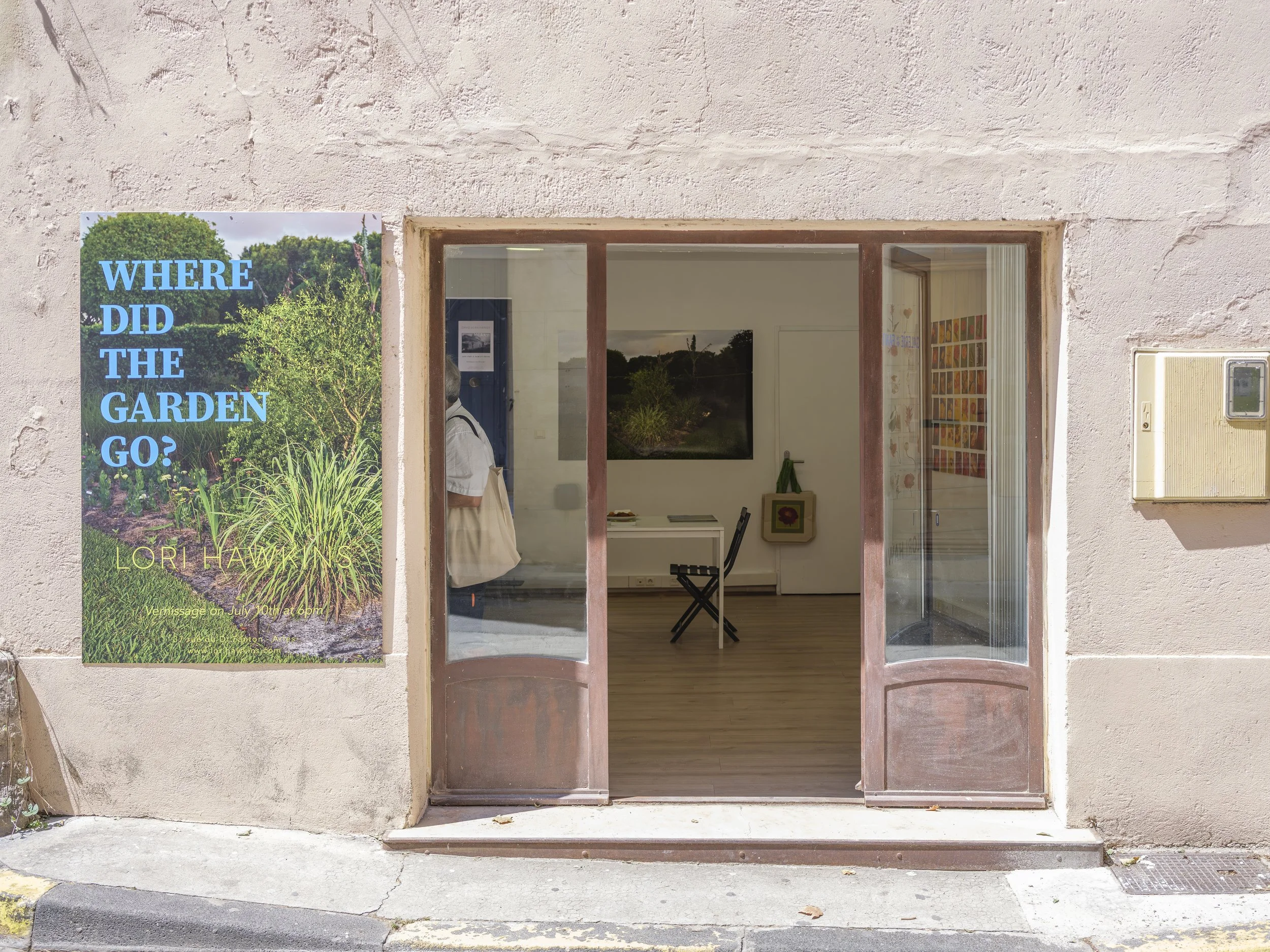
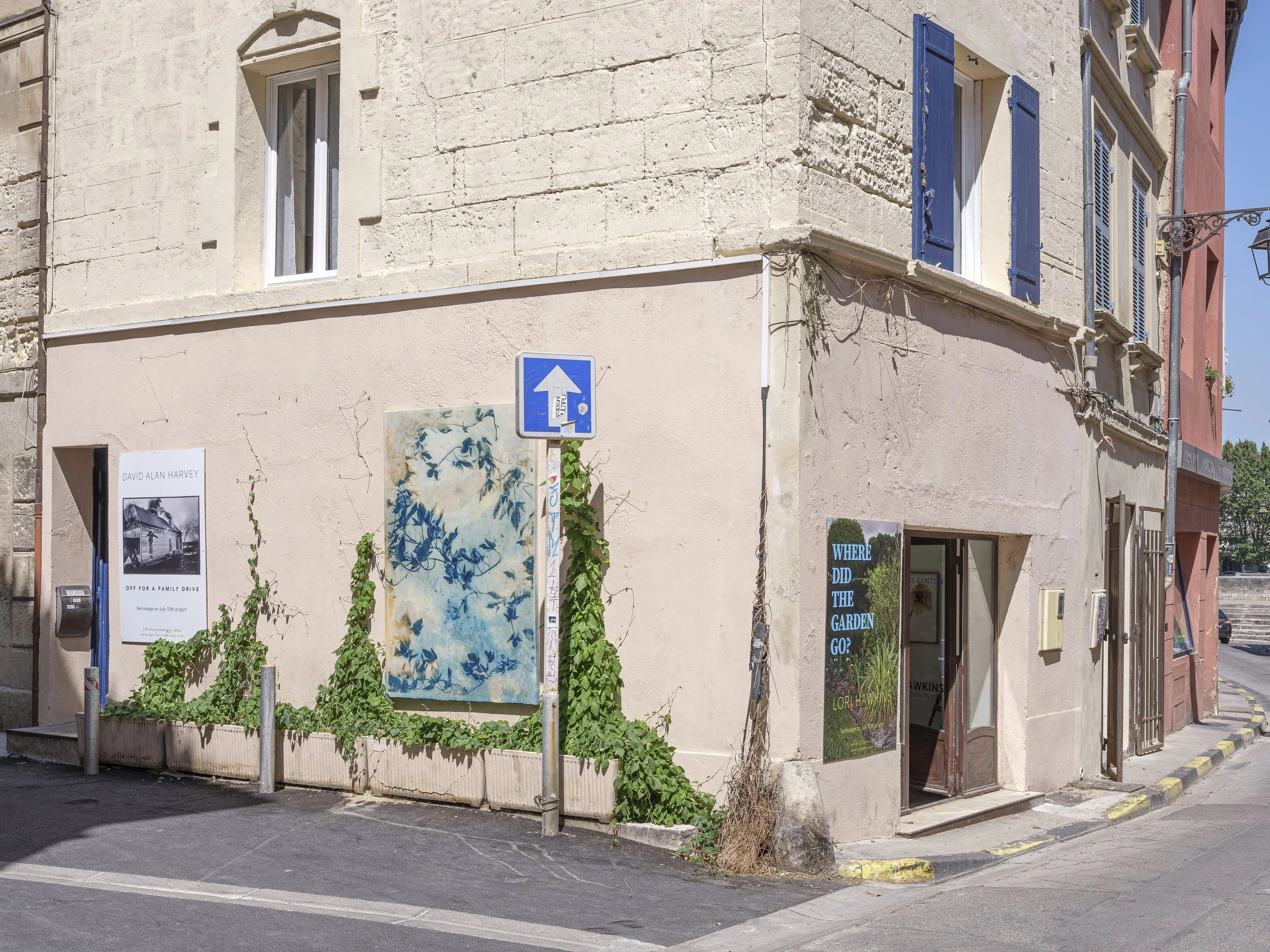
Located in the historic heart of Arles, Galerie Fanton is a contemporary art and photography gallery dedicated to presenting international perspectives through exhibitions, cultural exchange, and free public programming.
In the future, Galerie Fanton will also house the Fonds Fanton Collection, a body of artworks by resident and exhibiting artists that will be made available to collectors. Proceeds will directly support future artists, residencies, and programs.
CURRENT EXHIBITION
LORI HAWKINS
WHERE DID THE GARDEN GO?
July 6, 2026 - present
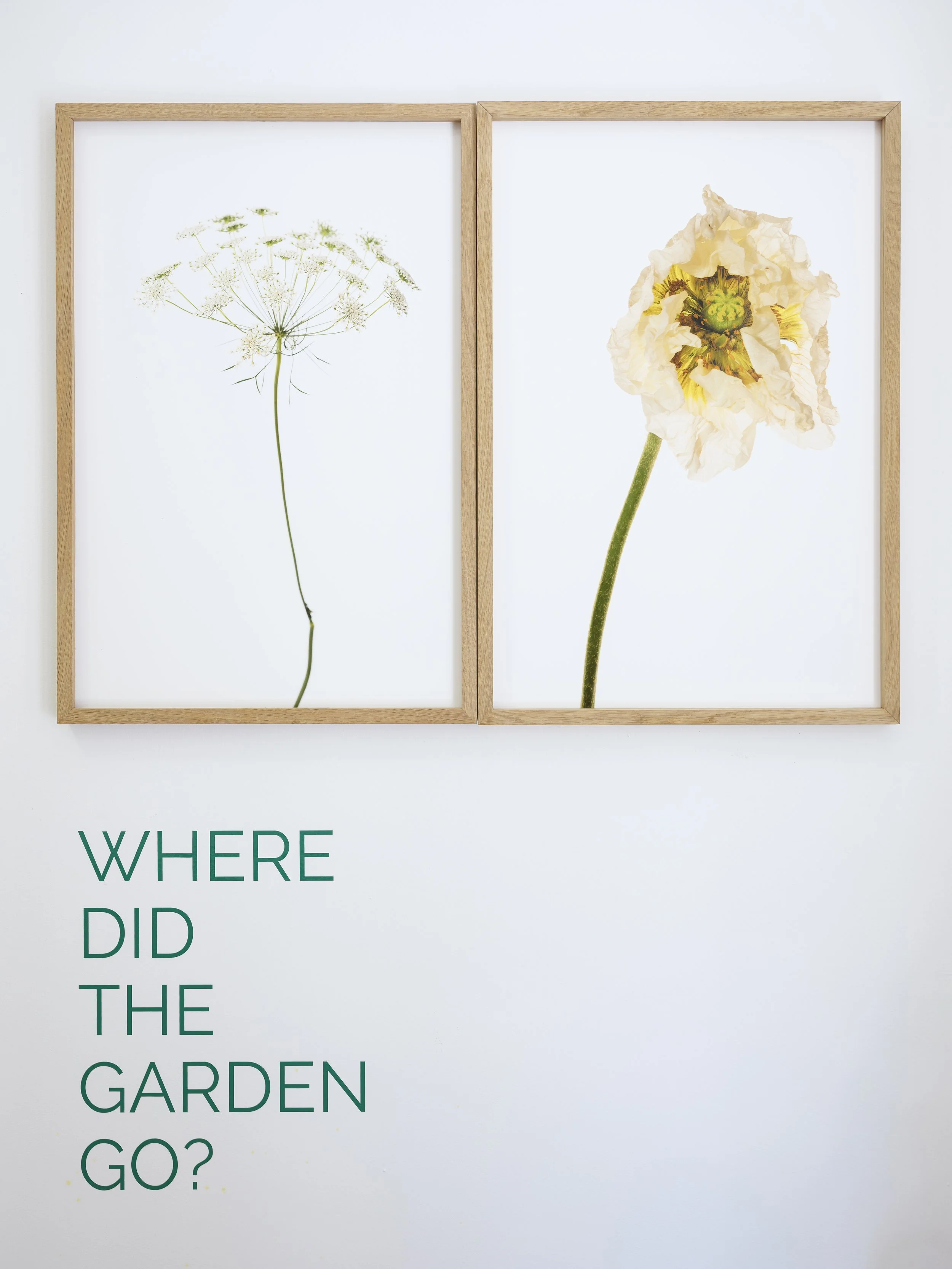
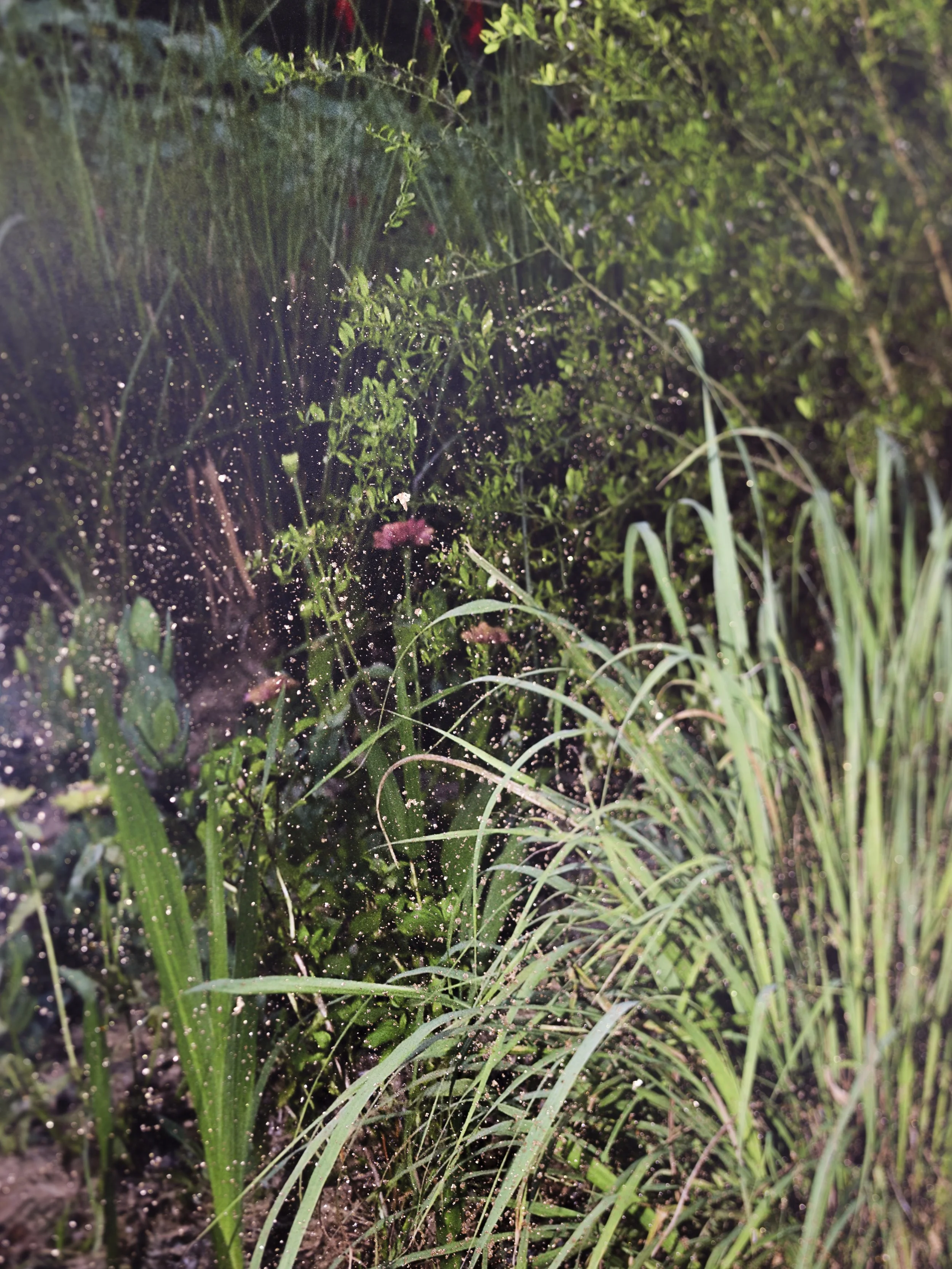
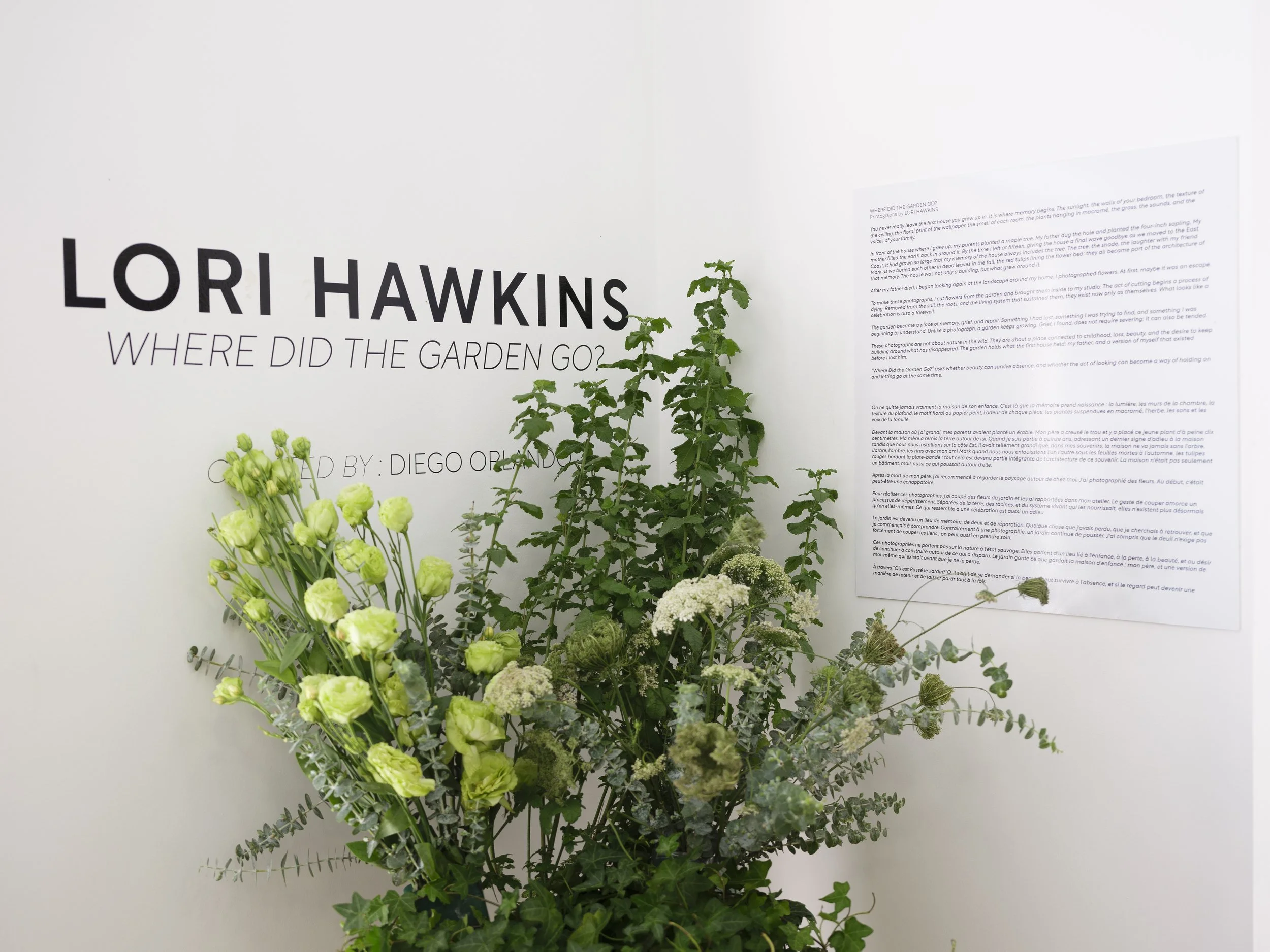
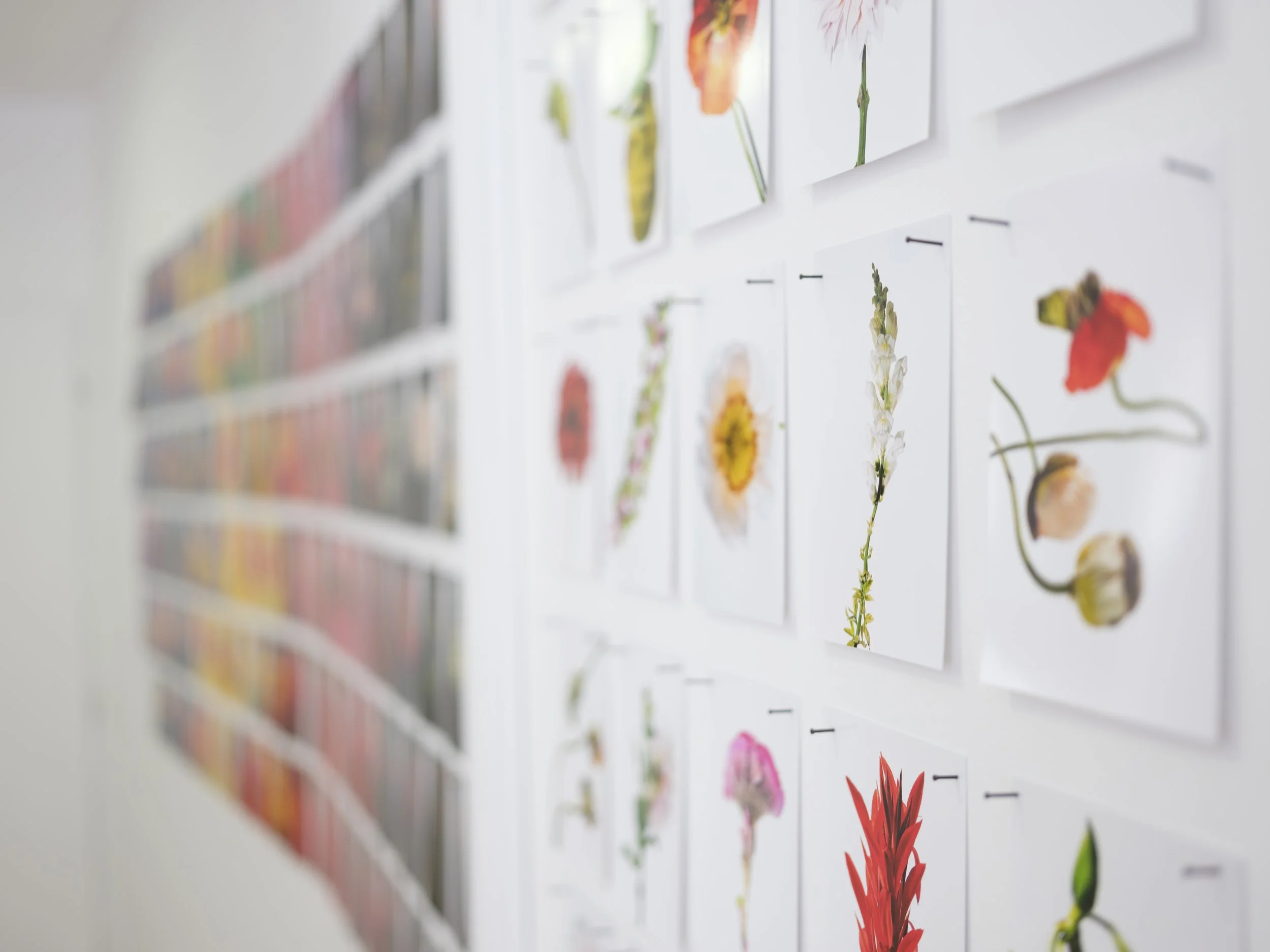
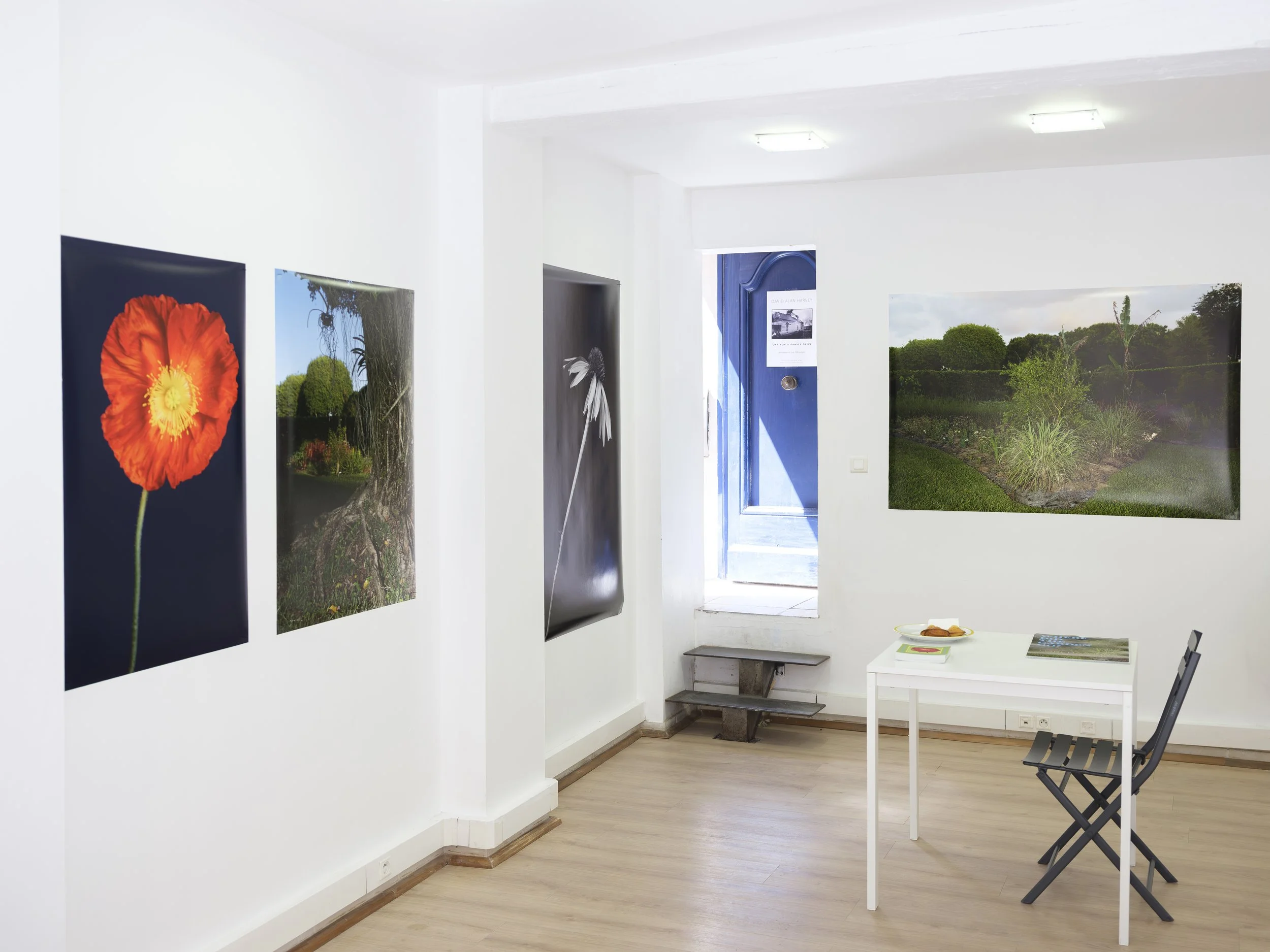
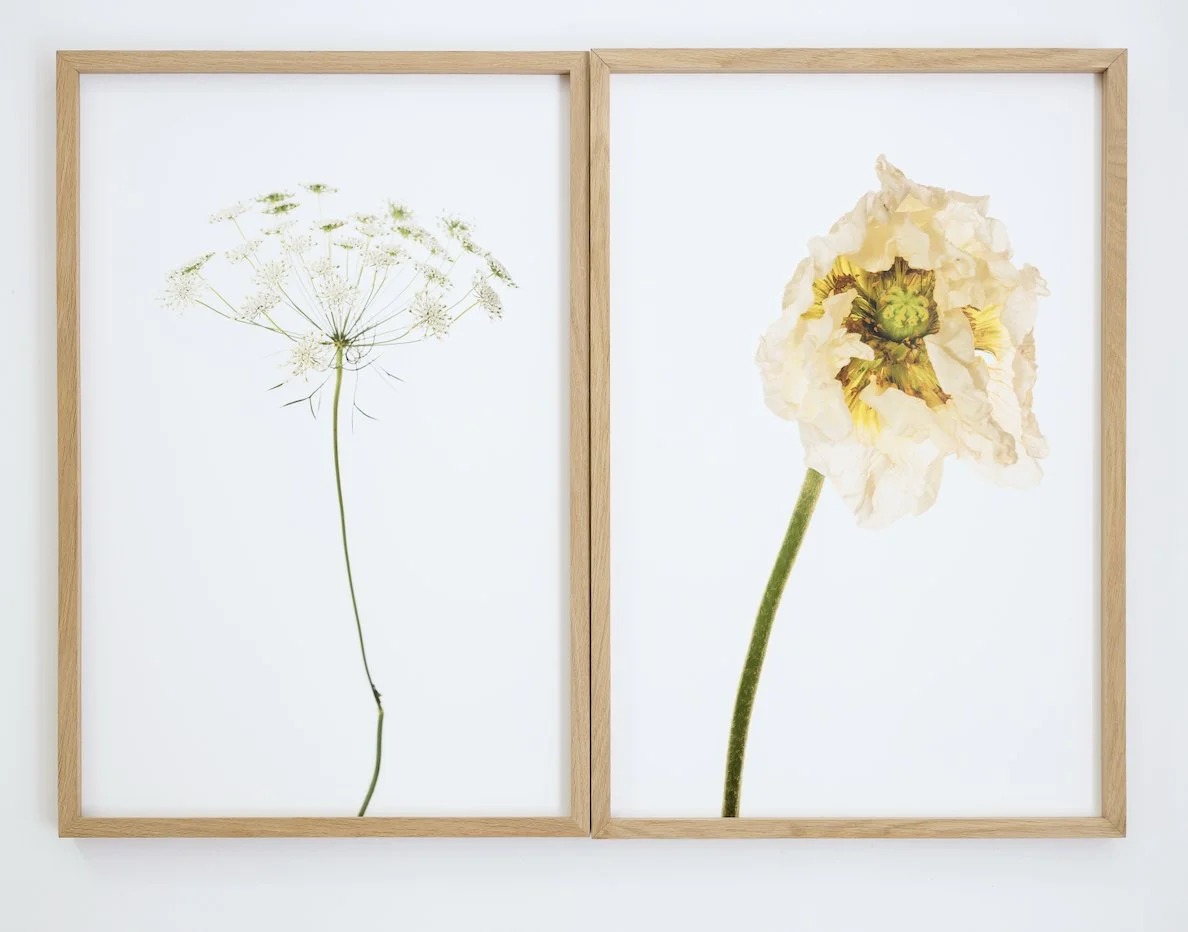
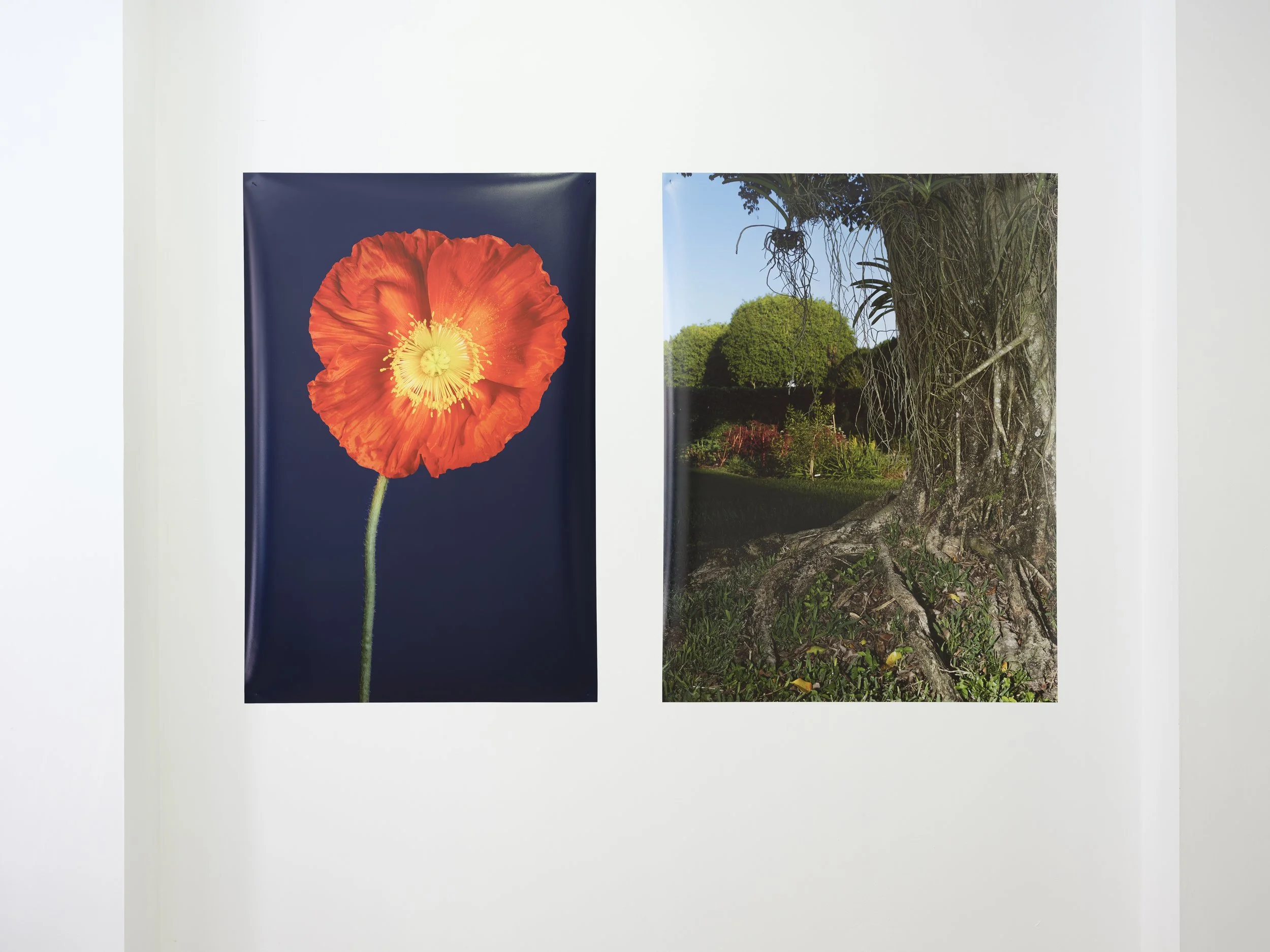
You never really leave the first house you grew up in. It is where memory begins. The sunlight, the walls of your bedroom, the texture of the ceiling, the floral print of the wallpaper, the smell of each room, the plants hanging in macramé, the grass, the sounds, and the voices of your family.
In front of the house where I grew up, my parents planted a maple tree. My father dug the hole and planted the four-inch sapling. My mother filled the earth back in around it. By the time I left at fifteen, giving the house a final wave goodbye as we moved to the East Coast, it had grown so large that my memory of the house always includes the tree. The tree, the shade, the laughter with my friend Mark as we buried each other in dead leaves in the fall, the red tulips lining the flower bed: they all became part of the architecture of that memory. The house was not only a building, but what grew around it.
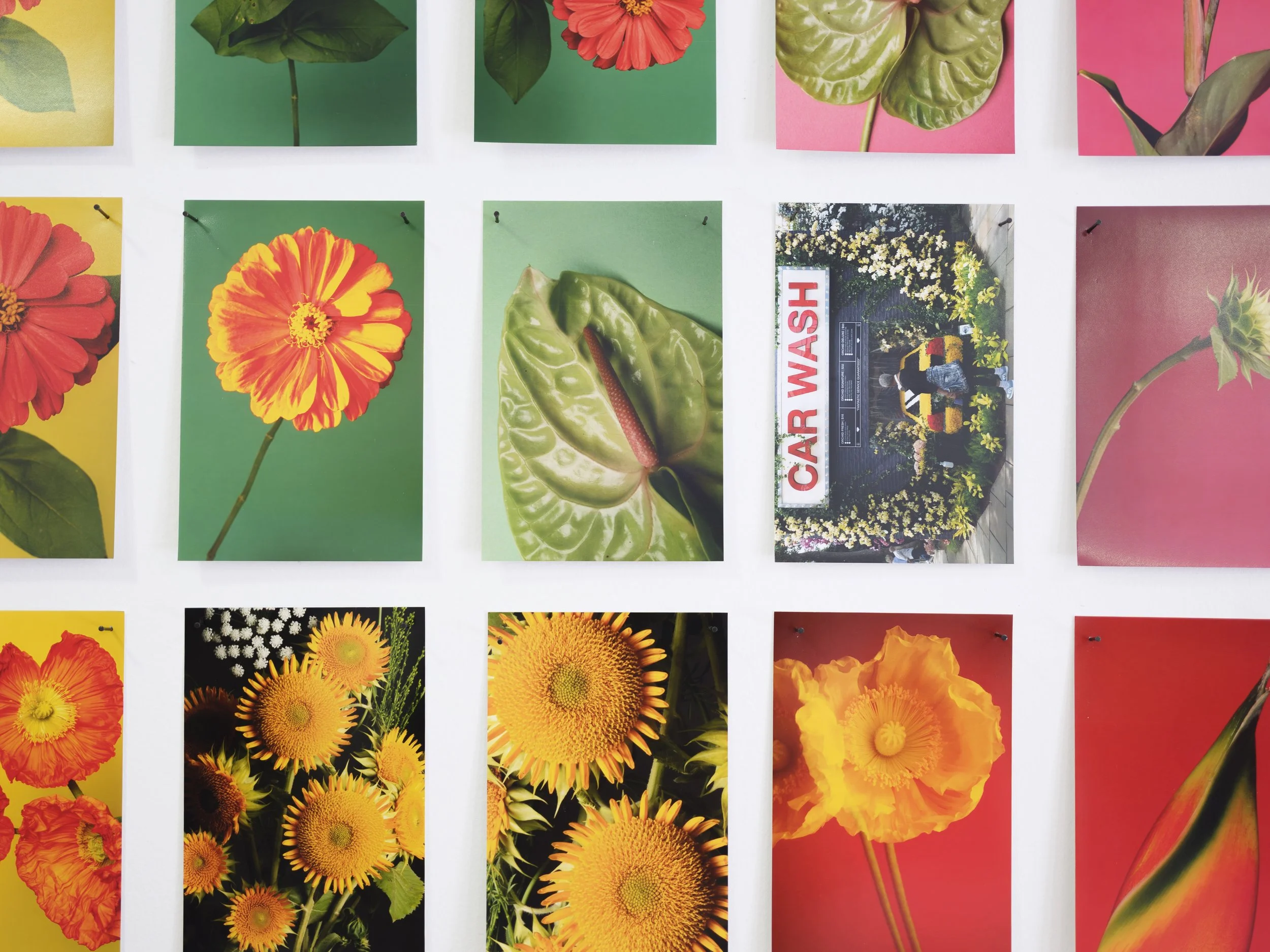
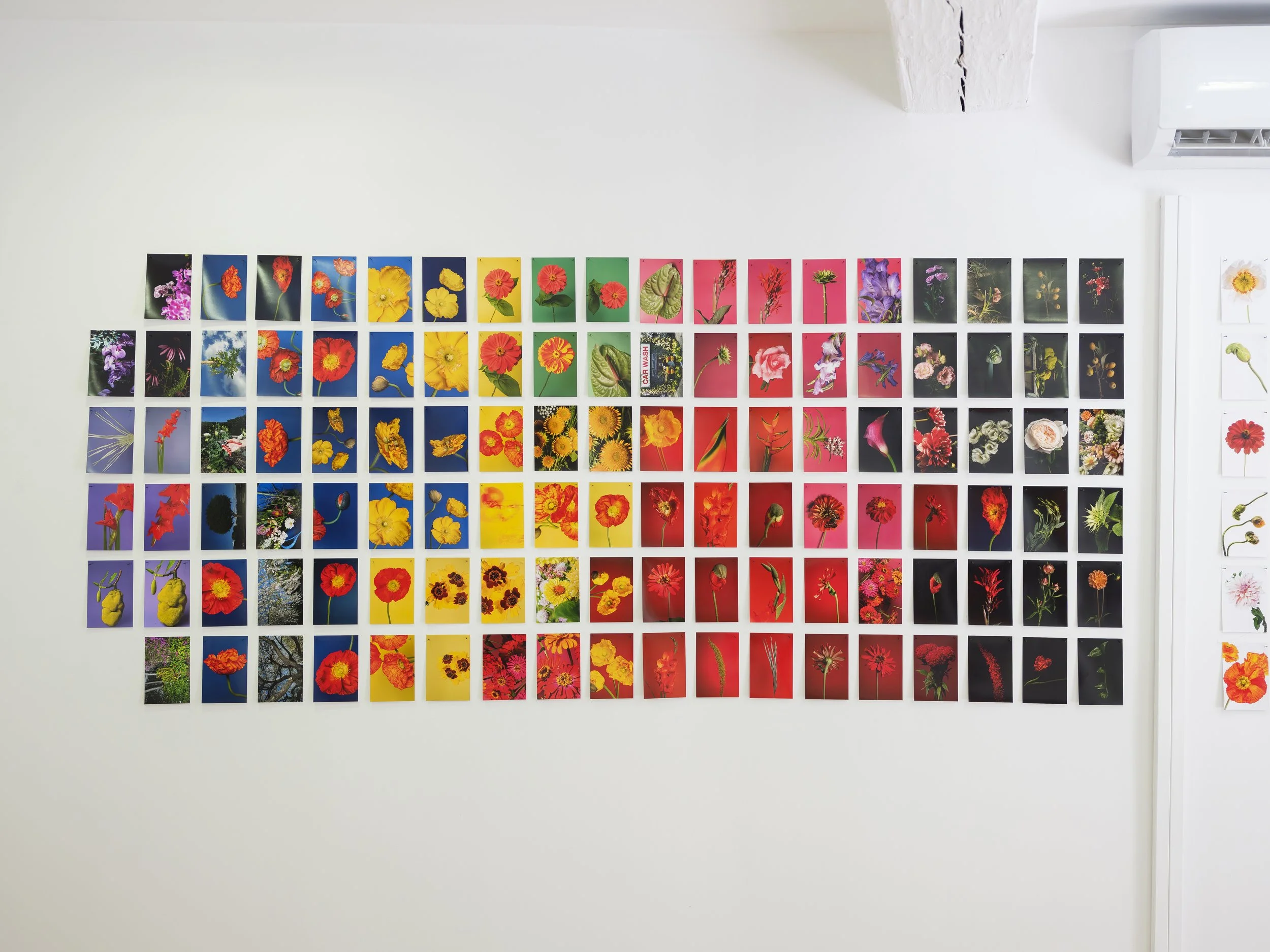
After my father died, I began looking again at the landscape around my home. I photographed flowers. At first, maybe it was an escape. To make these photographs, I cut flowers from the garden and brought them inside to my studio.
The act of cutting begins a process of dying. Removed from the soil, the roots, and the living system that sustained them, they exist now only as themselves. What looks like a celebration is also a farewell.
The garden became a place of memory, grief, and repair. Something I had lost, something I was trying to find, and something I was beginning to understand. Unlike a photograph, a garden keeps growing. Grief, I found, does not require severing; it can also be tended.
These photographs are not about nature in the wild. They are about a place connected to childhood, loss, beauty, and the desire to keep building around what has disappeared. The garden holds what the first house held: my father, and a version of myself that existed before I lost him.
"Where Did the Garden Go?" asks whether beauty can survive absence, and whether the act of looking can become a way of holding on and letting go at the same time.
PAST EXHIBITIONS
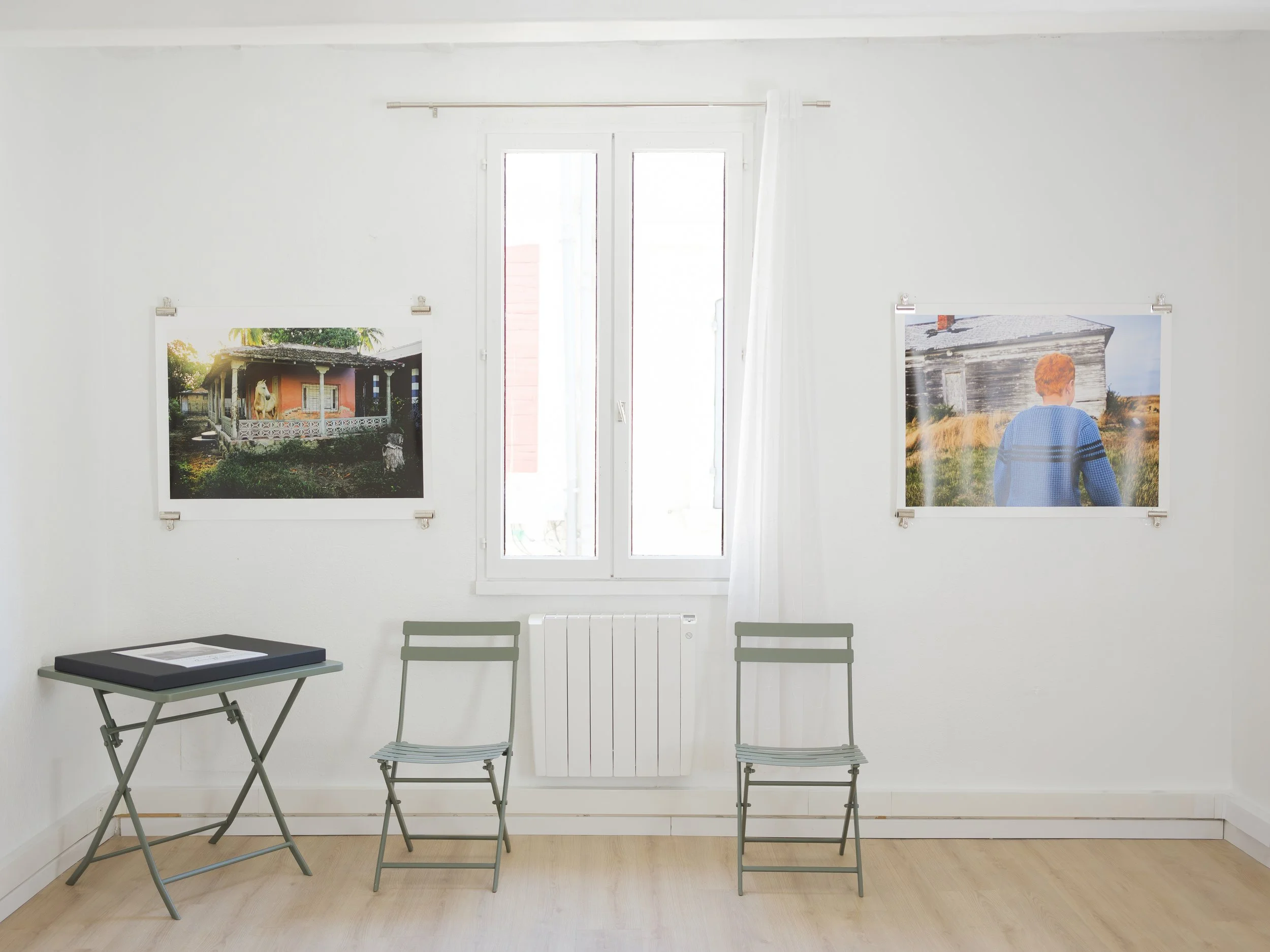
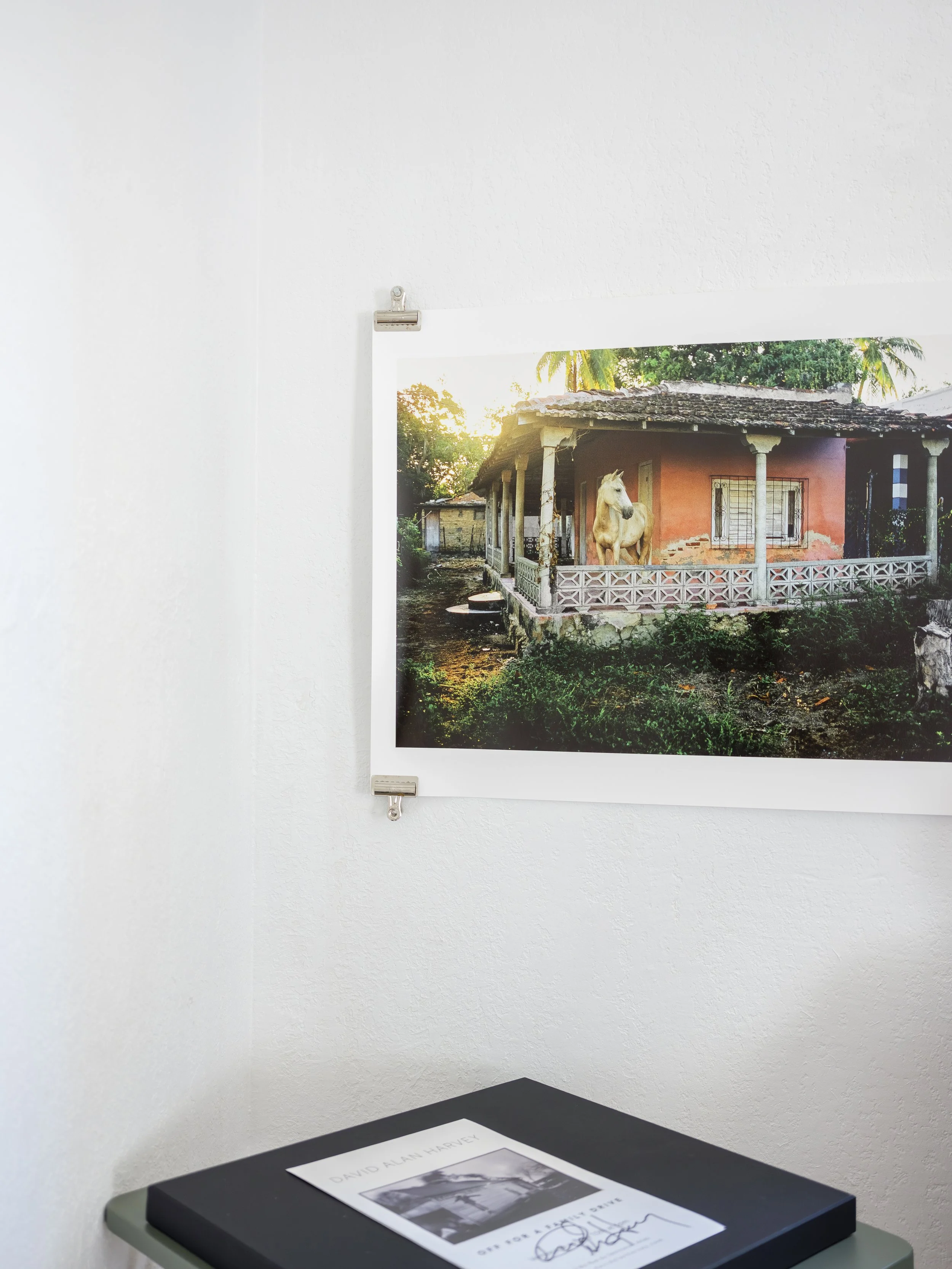
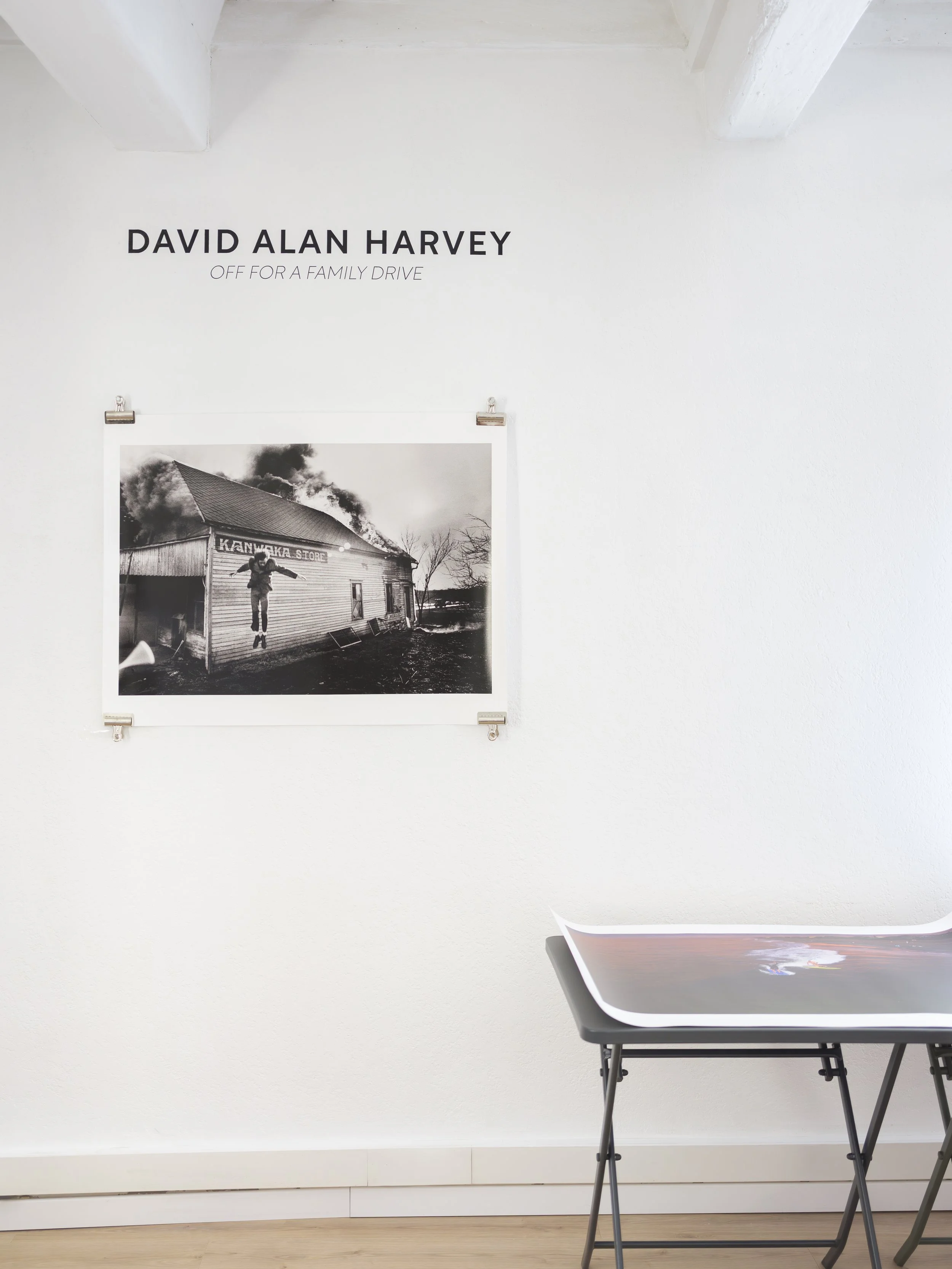
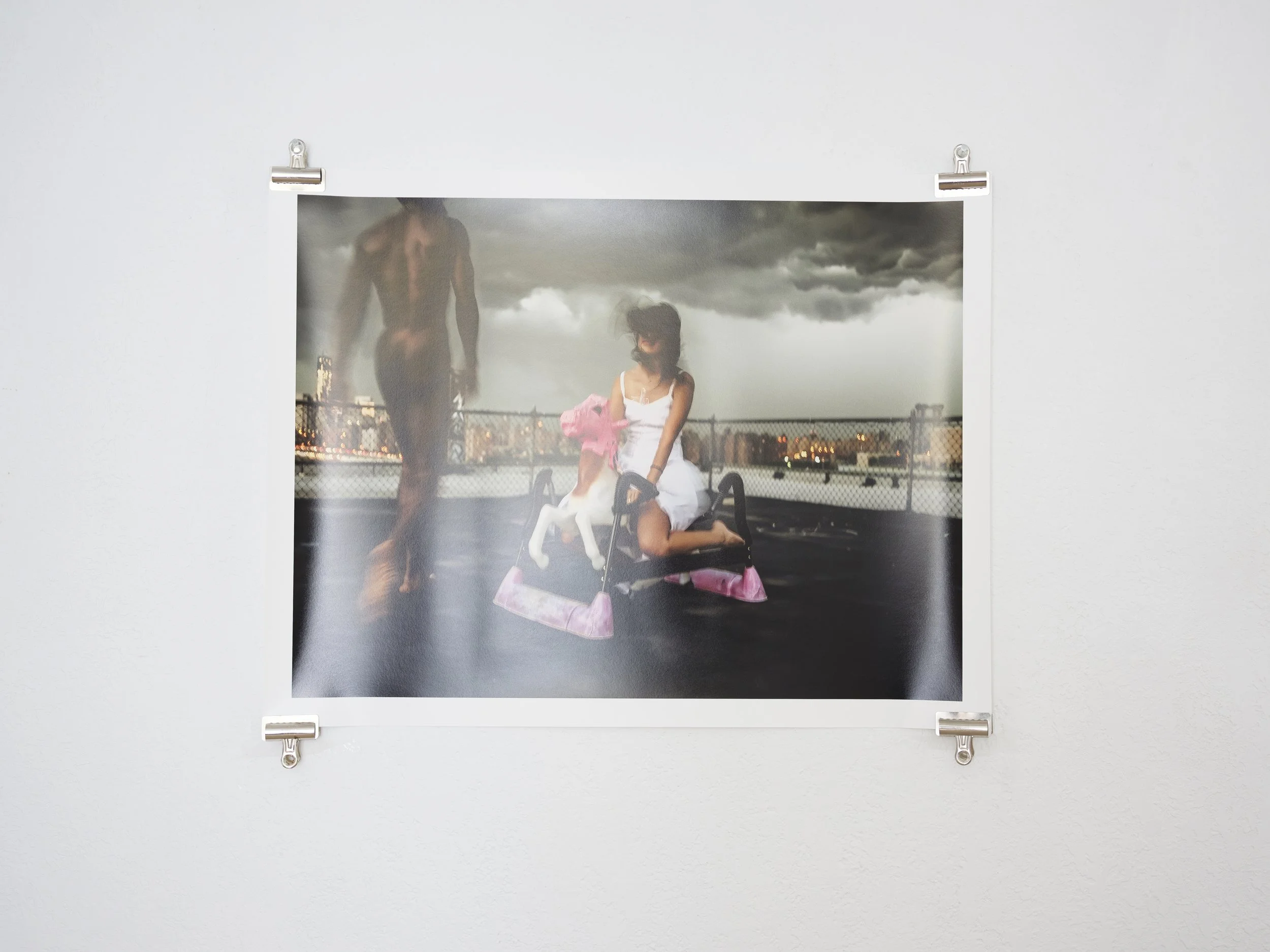
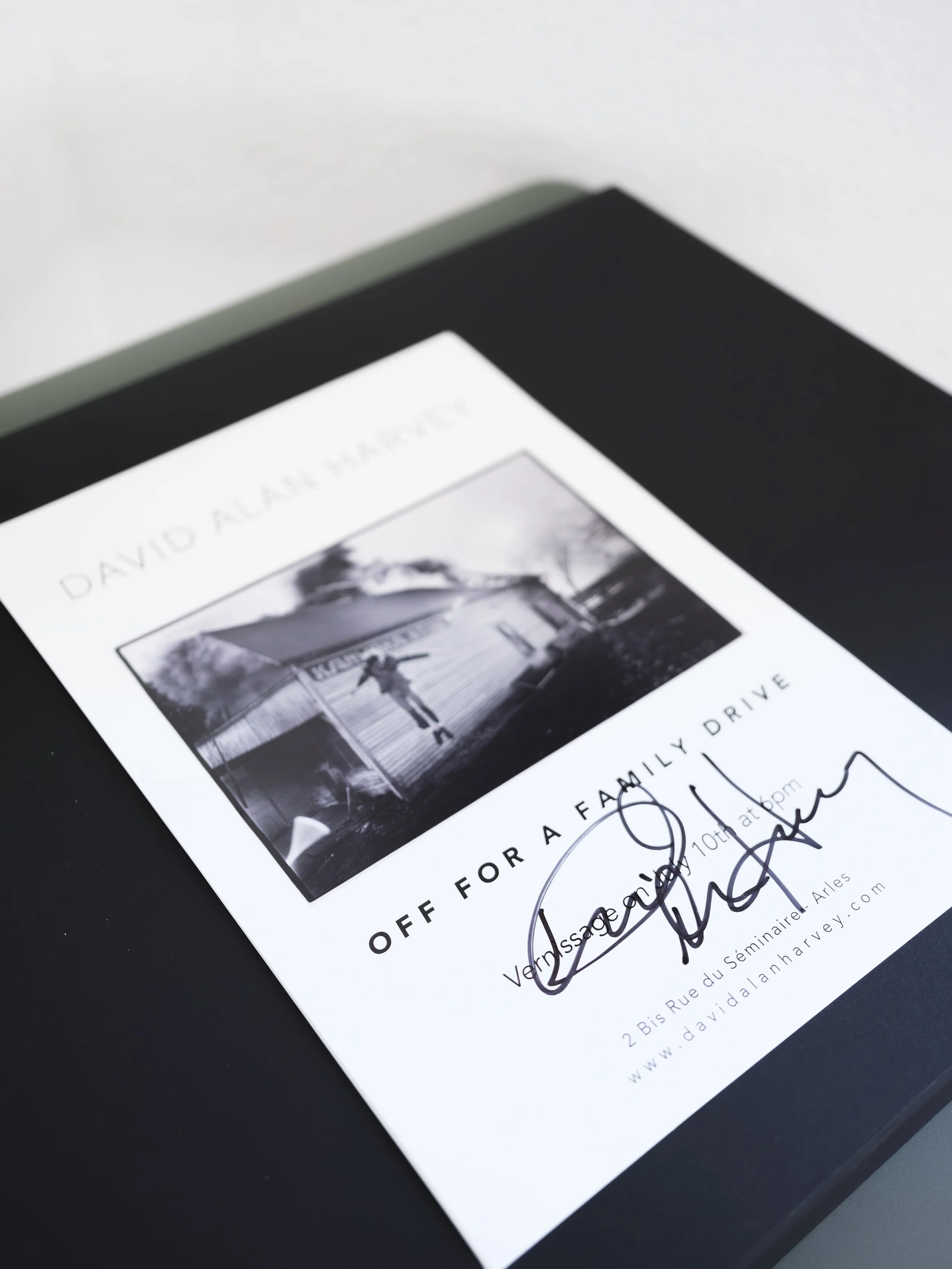
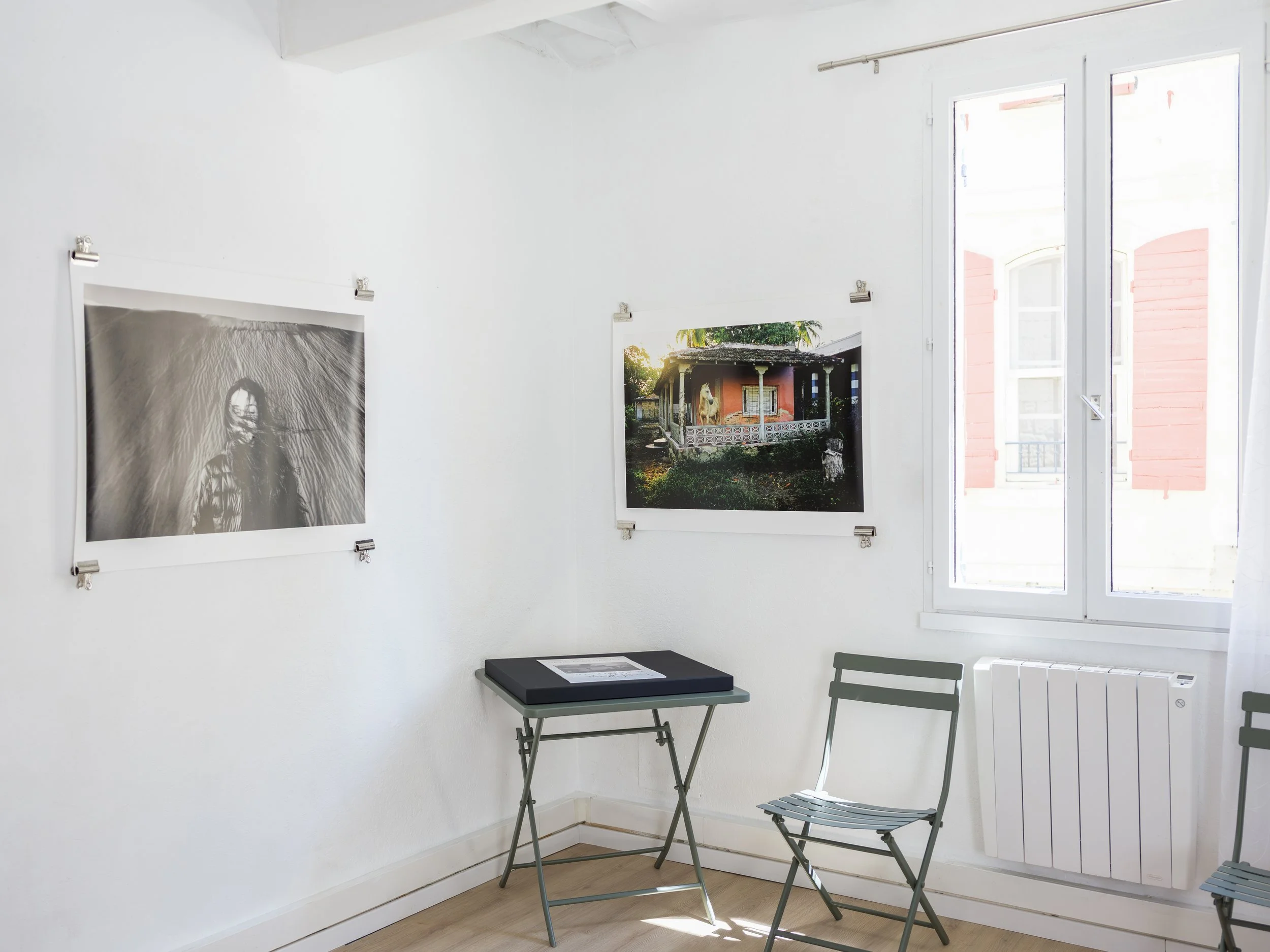
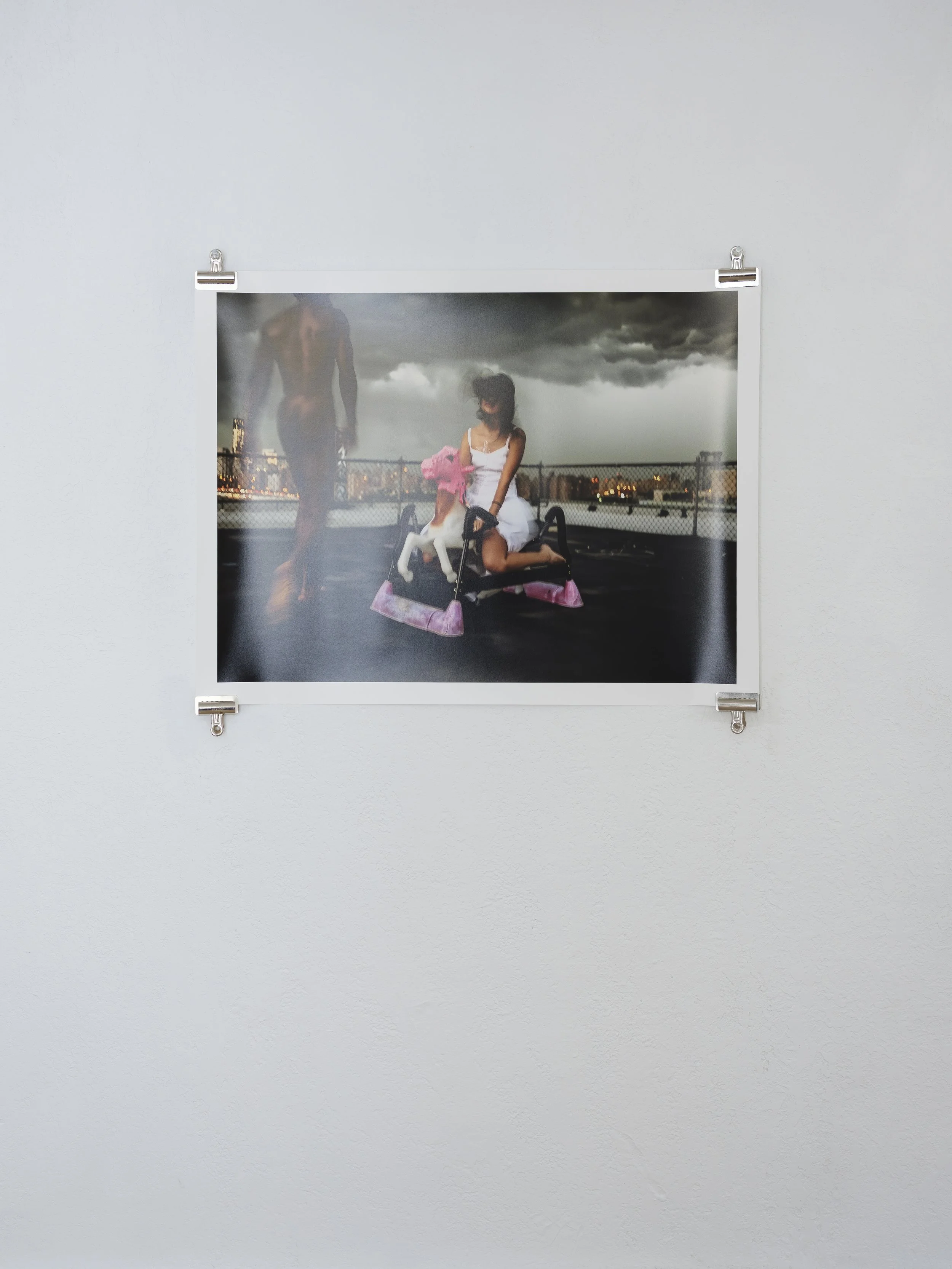
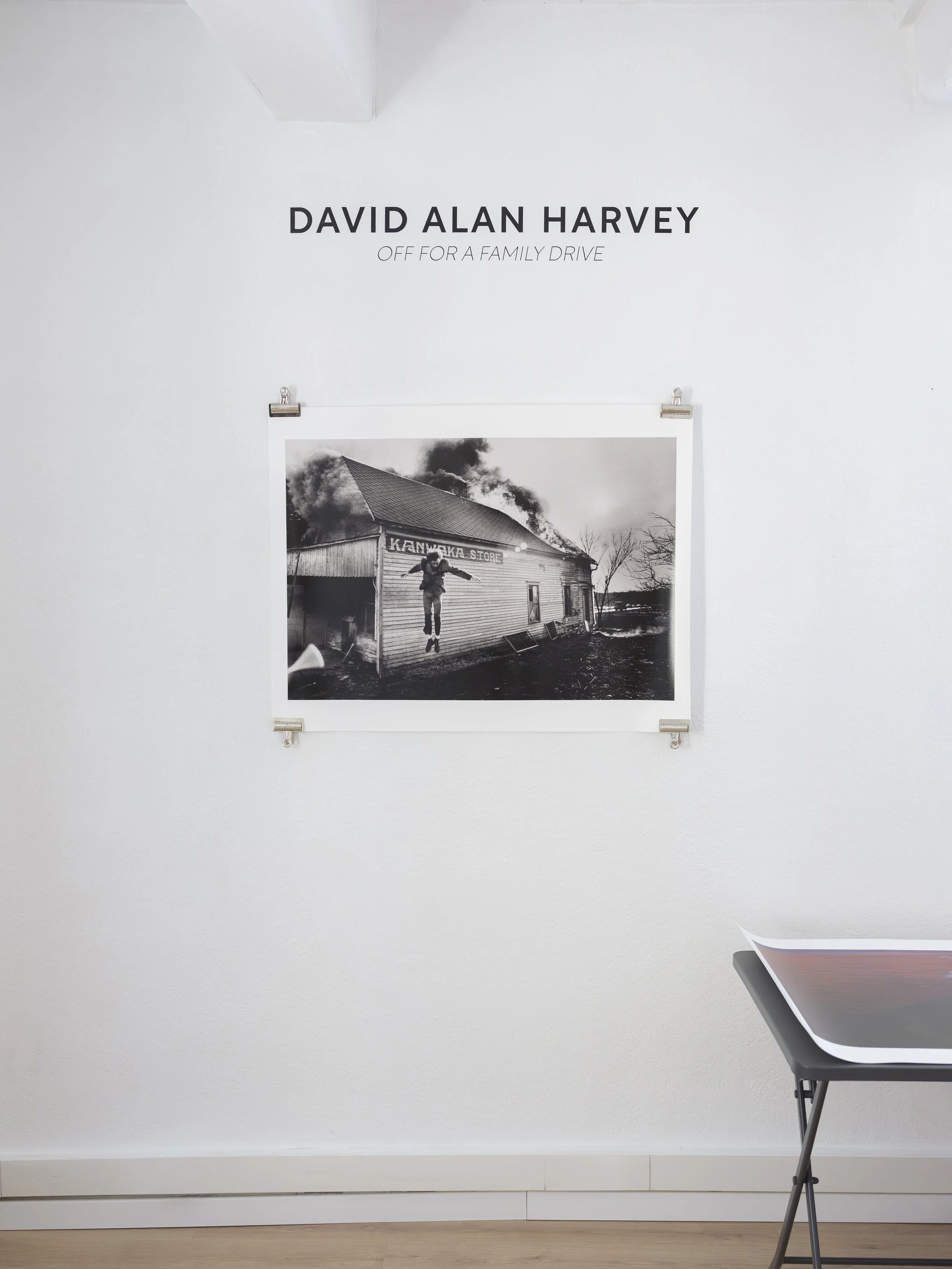
DAVID ALAN HARVEY
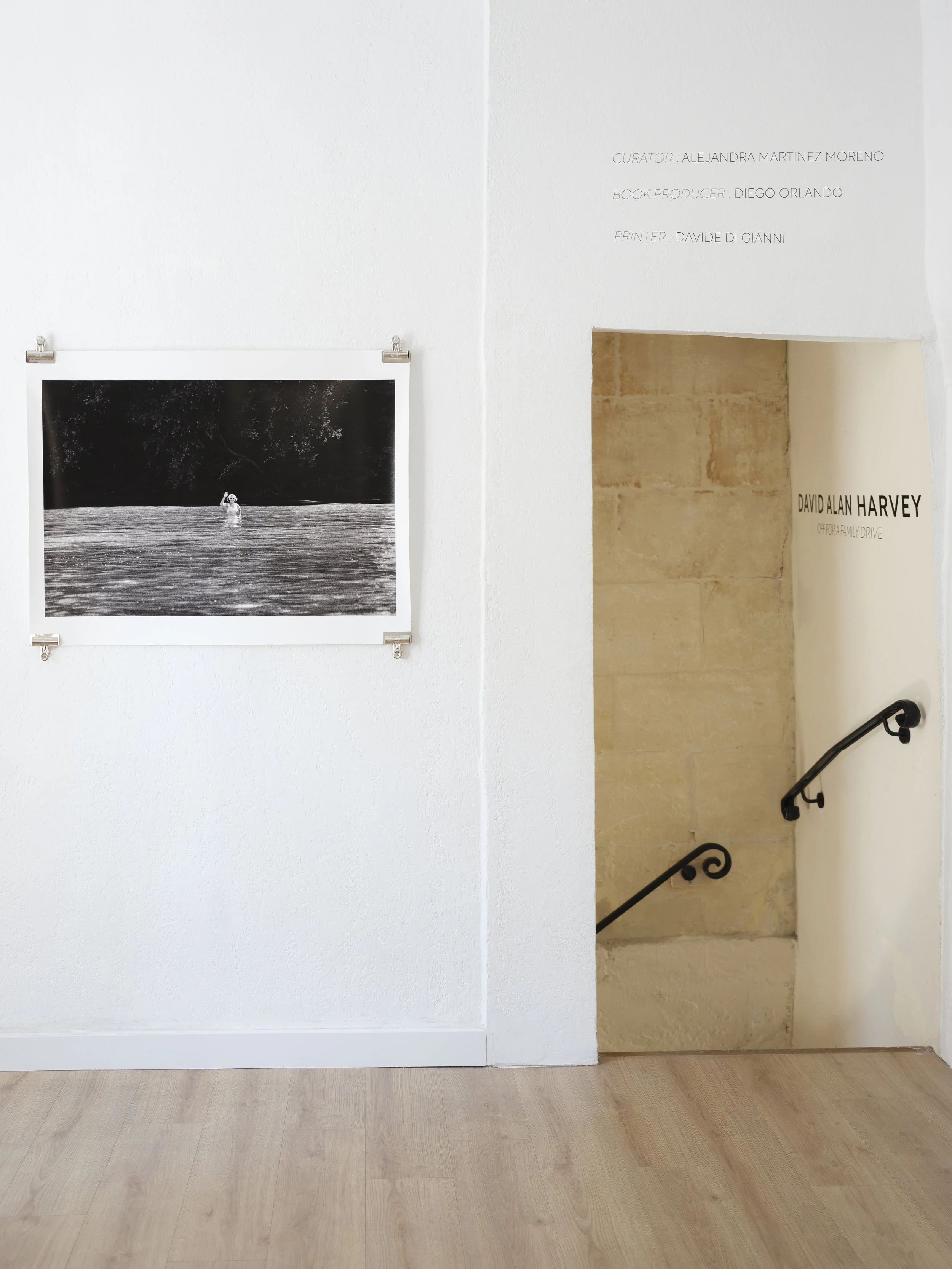
OFF FOR A FAMILY DRIVE
July 6-13, 2026
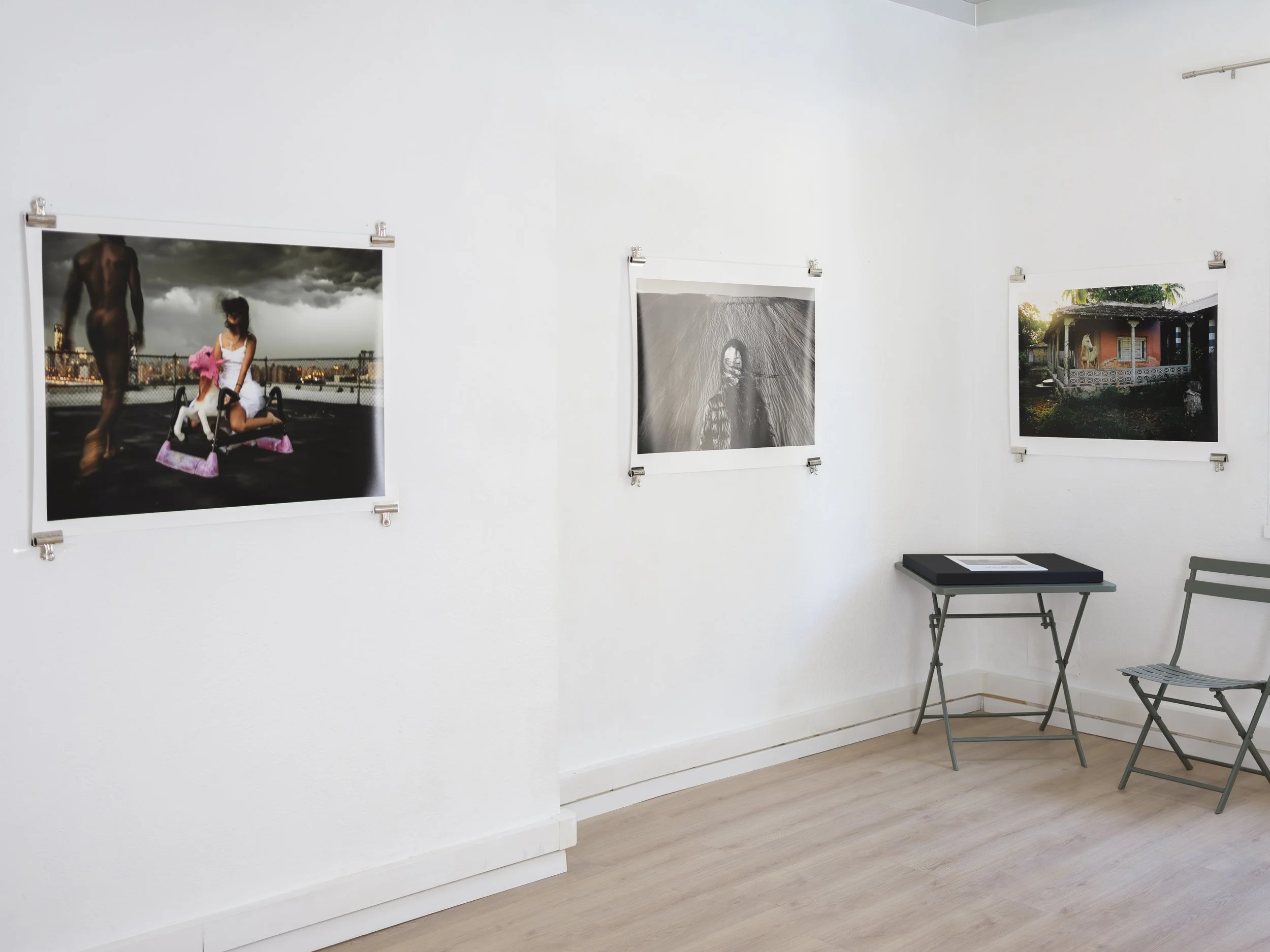
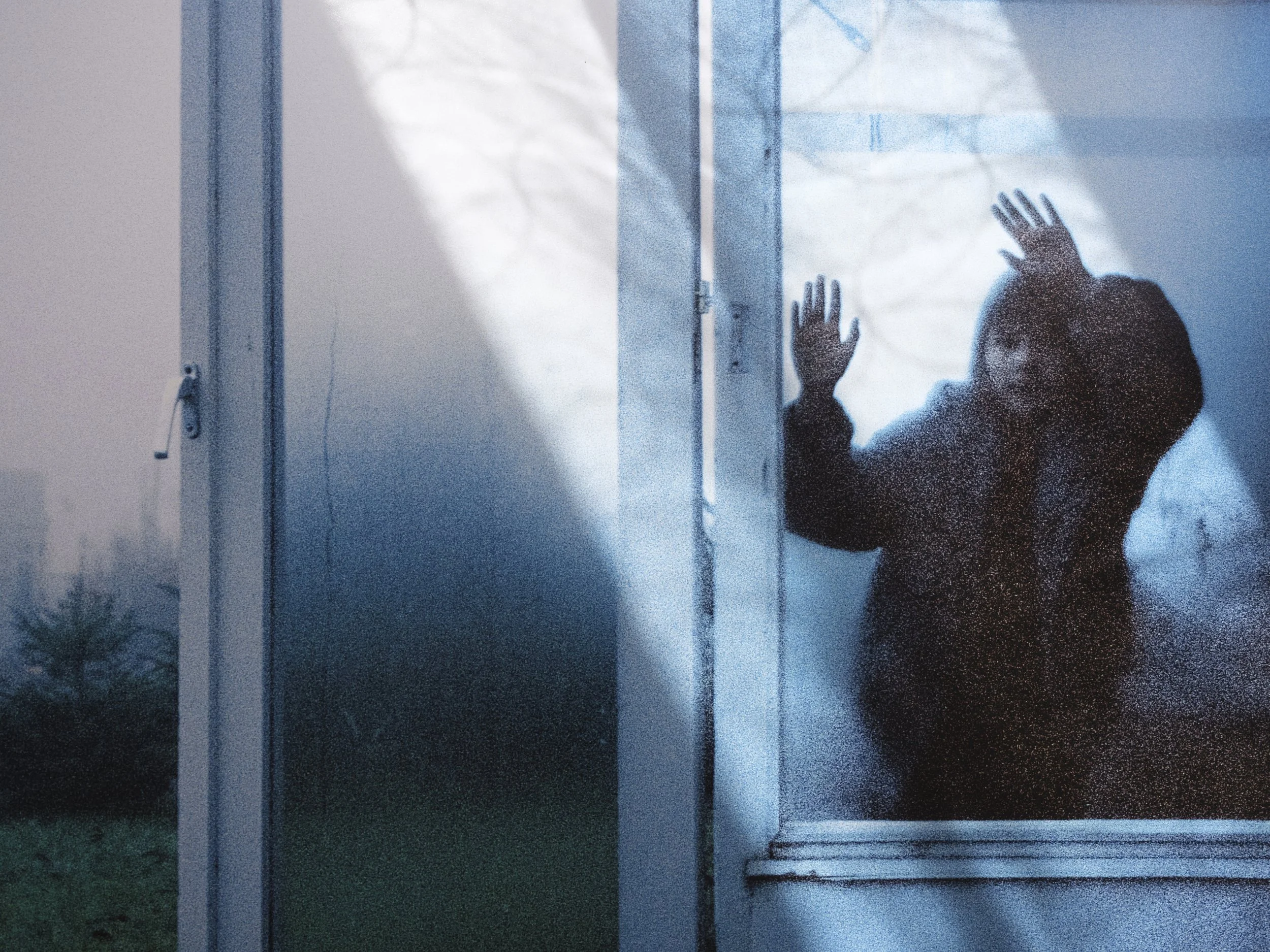
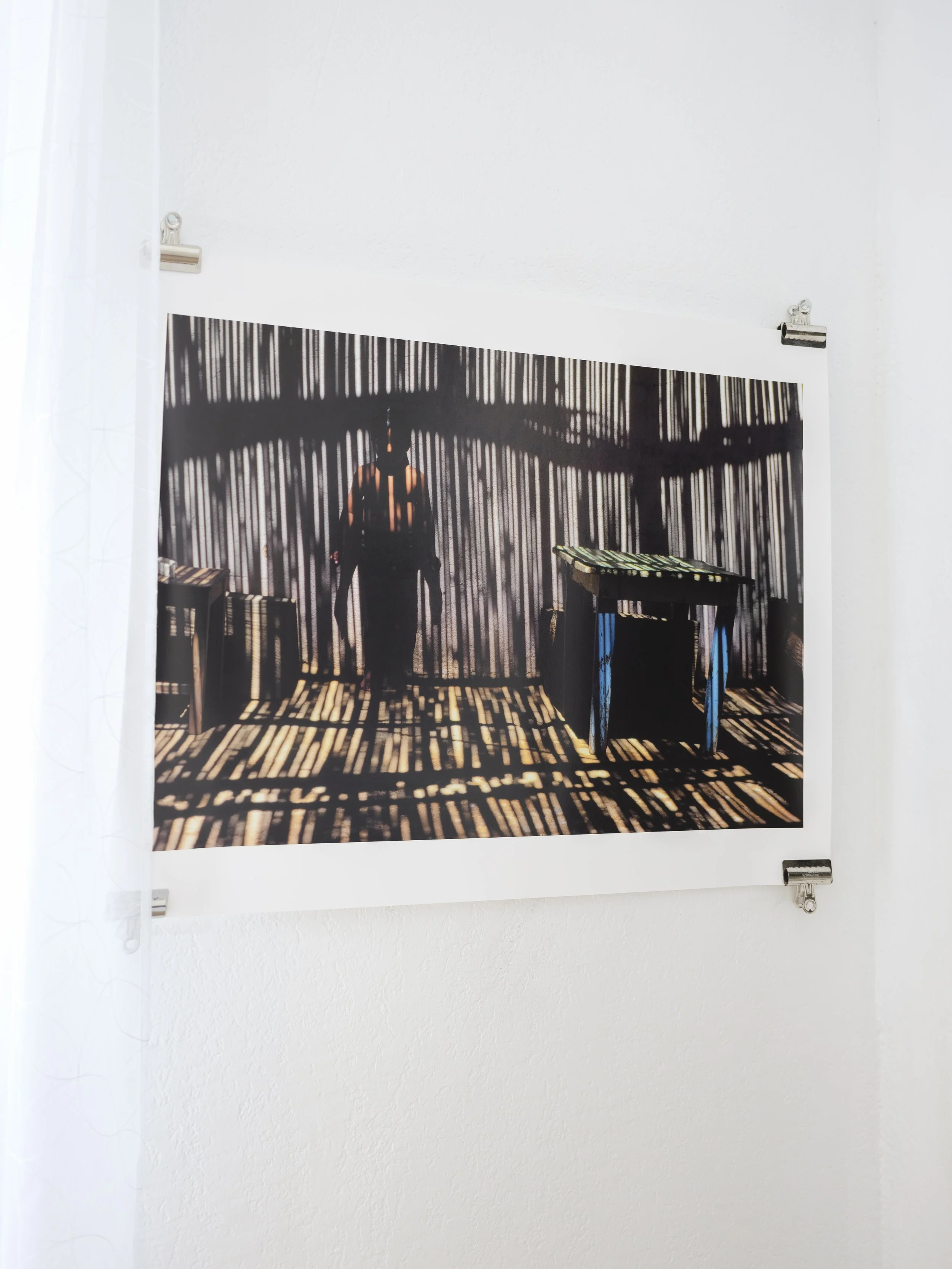
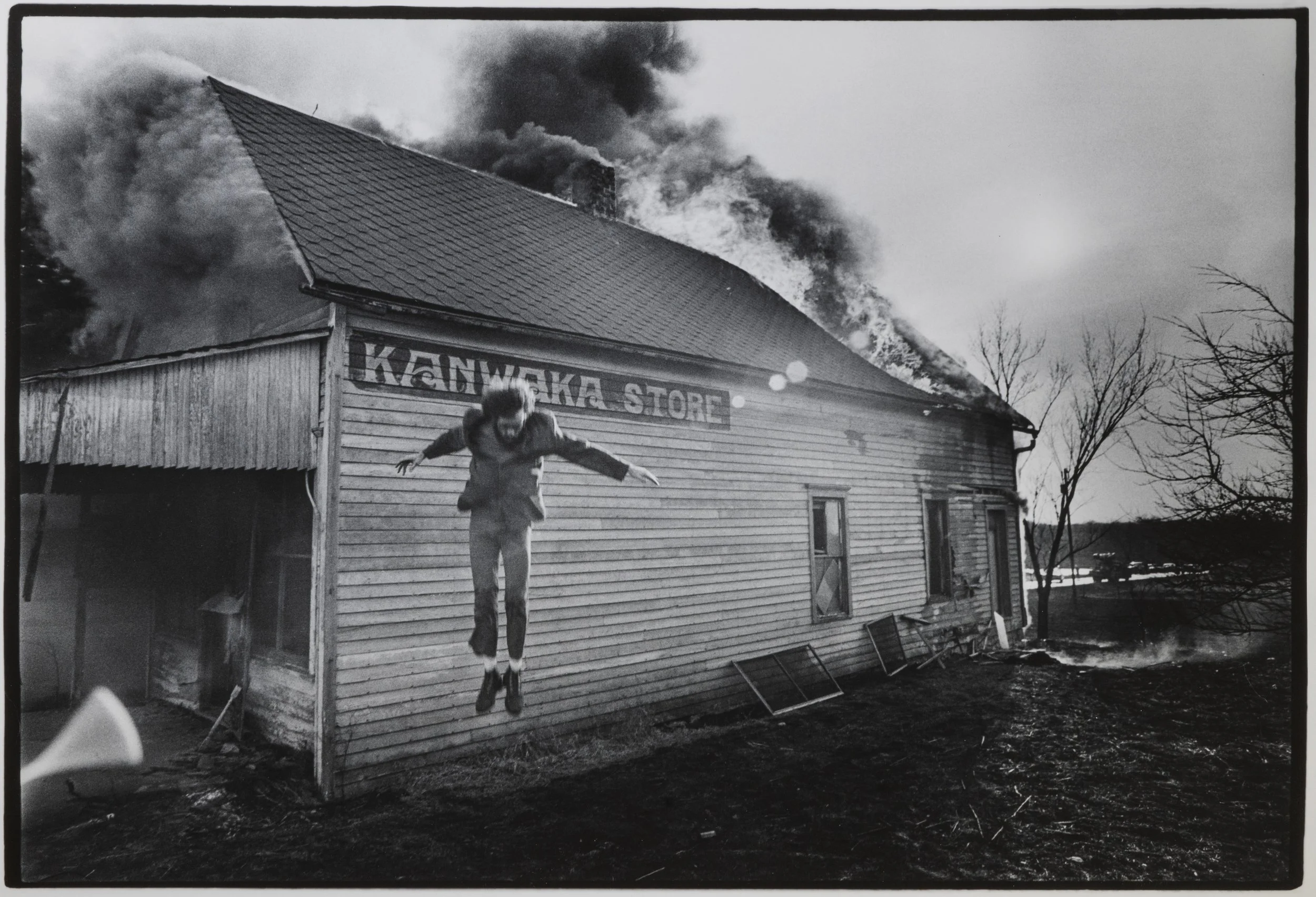
David Alan Harvey's photographs spark the human psyche. His books “Cuba” (National Geographic, 1999) and “Divided Soul” (Phaidon, 2003) capture the effects of the blood and sweat of a cultural migration into the Americas. “Living Proof” (powerHouse Books, 2007) explores hip-hop culture. David’s 2012 award-winning book “Based on a True Story”, published by BurnBooks, broke new ground in photo book narrative form and design. “Off For A Family Drive” was published by BurnBooks in 2020.
His work has been exhibited at the Corcoran Gallery of Art, the Biblioteque Nacional in Paris, the Museum of Modern Art, and the Virginia Museum of Fine Arts, among other venues.
Some of his most prolific essays have appeared in NatGeo since 1973. In 1997, David became a member of Magnum Photos cooperative.
David’s current project, “Come Hell or High Water,” is about a disappearing barrier island on the Atlantic coast.
As a popular mentor for photographers, Harvey founded Burn Magazine, an award-winning online and in-print journal for emerging photographers. He is currently the publisher of BurnBooks, a press specializing in limited edition art books. David lives in the Outer Banks of North Carolina.
ALESSANDRA GATTO
OUTDOOR EXHIBITION
July 6-13, 2026
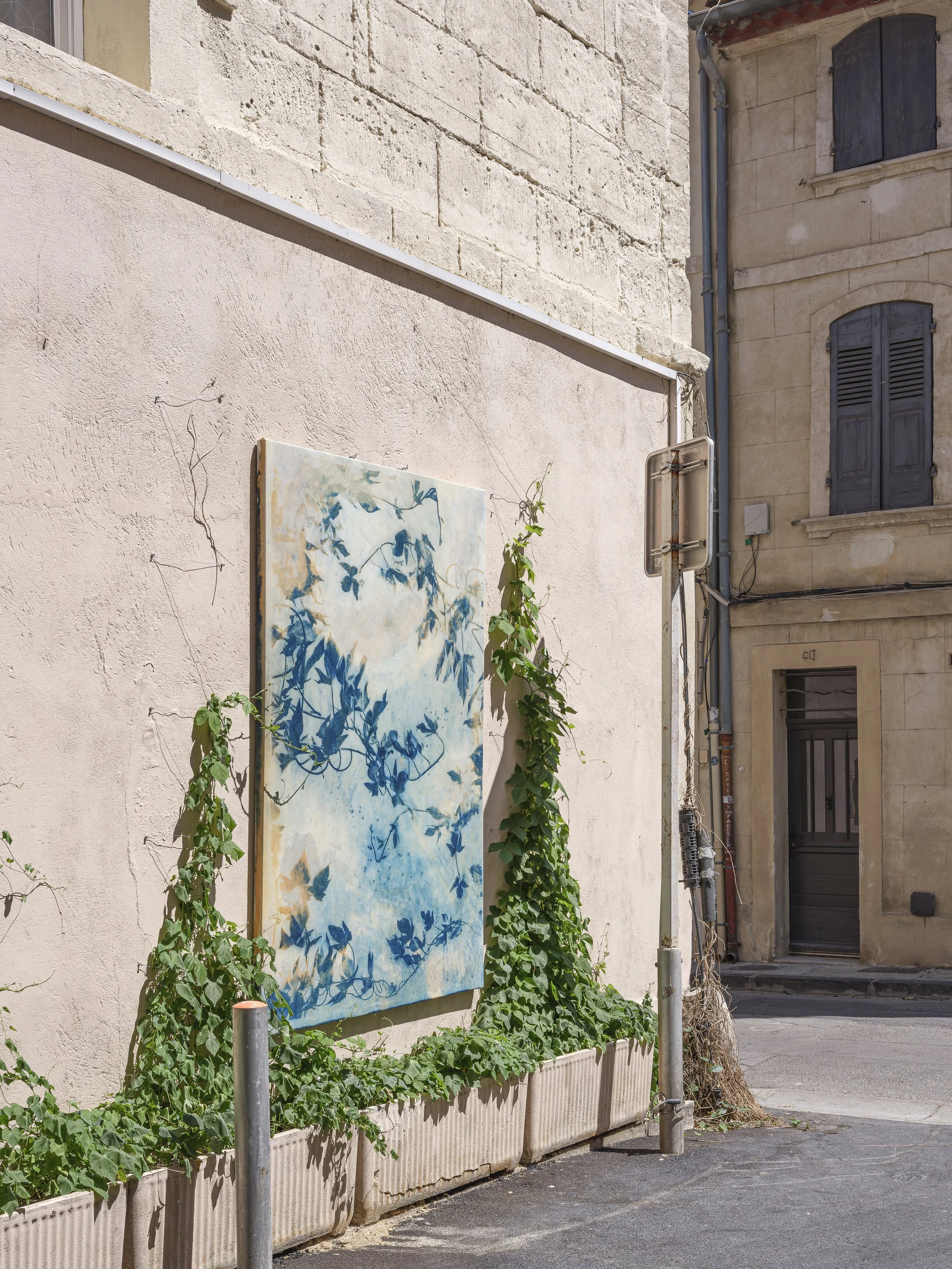
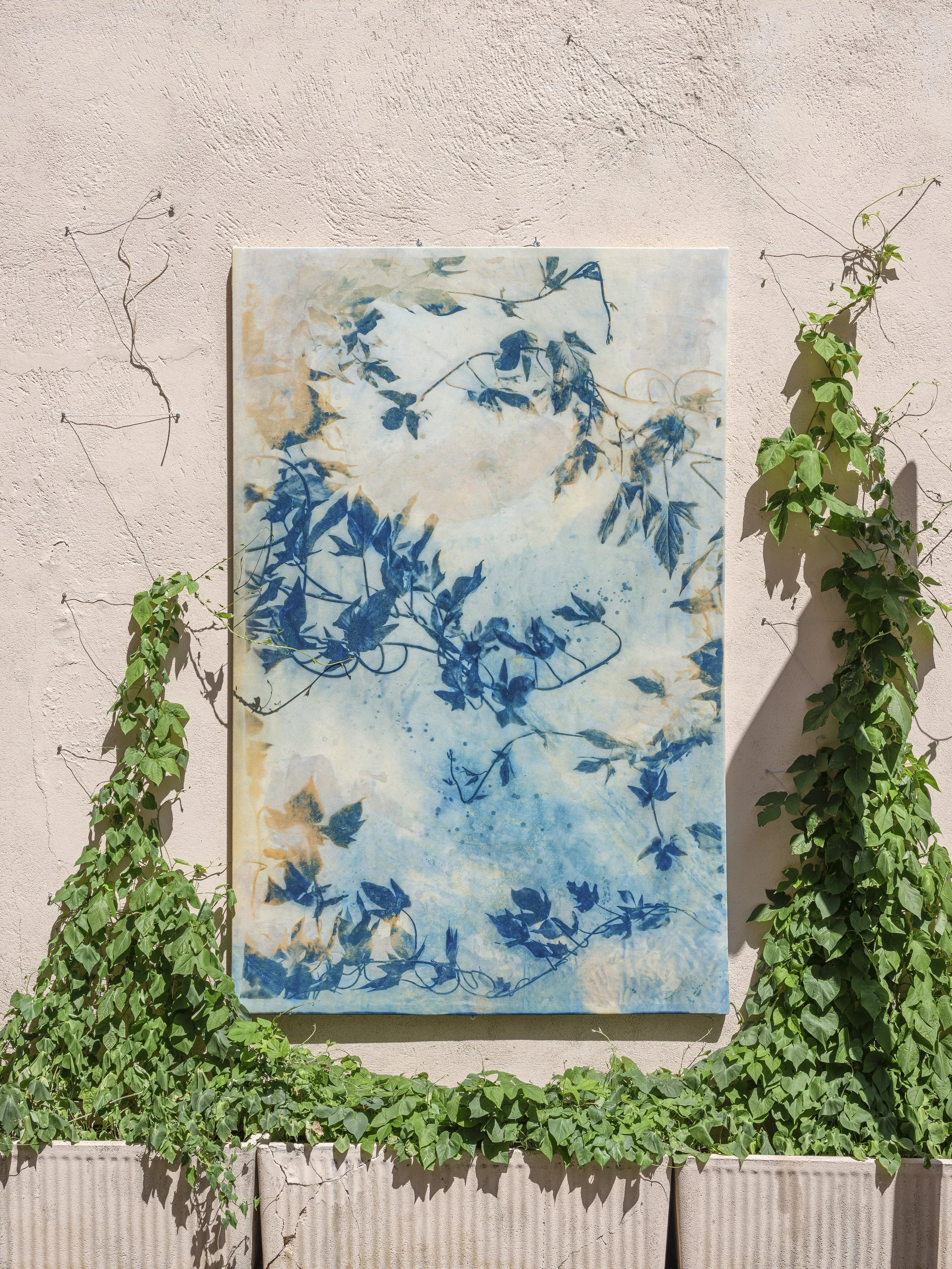
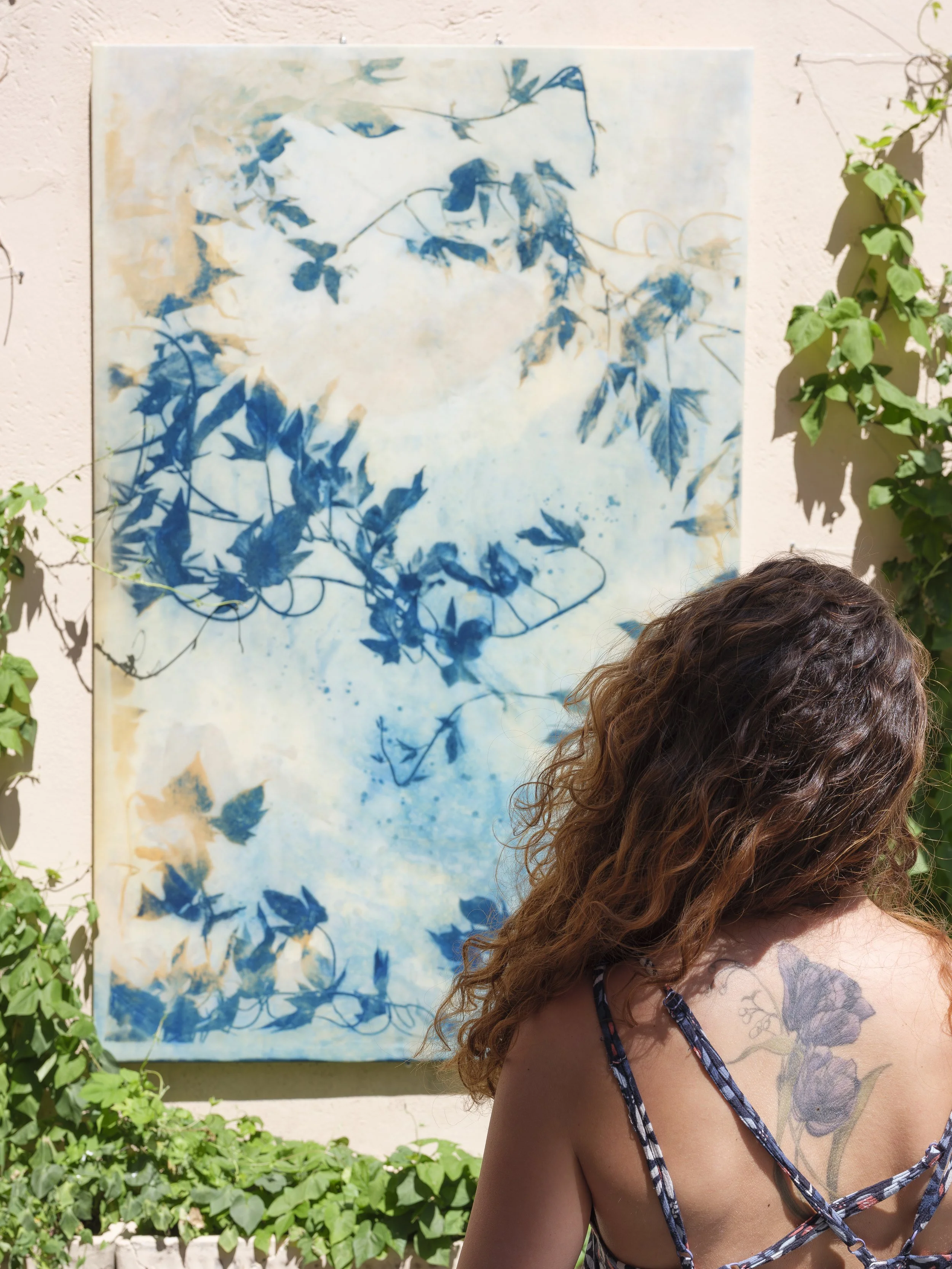
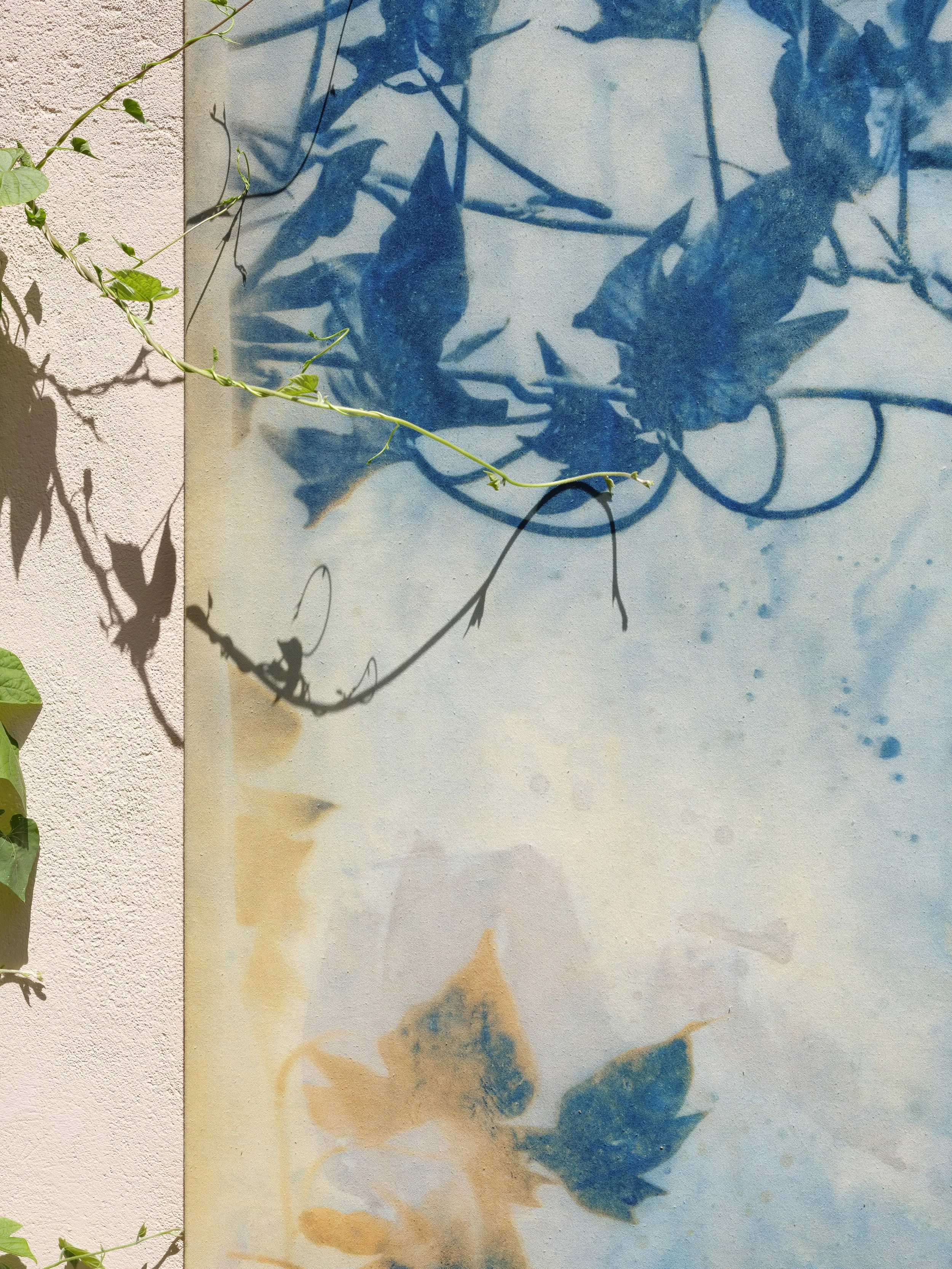
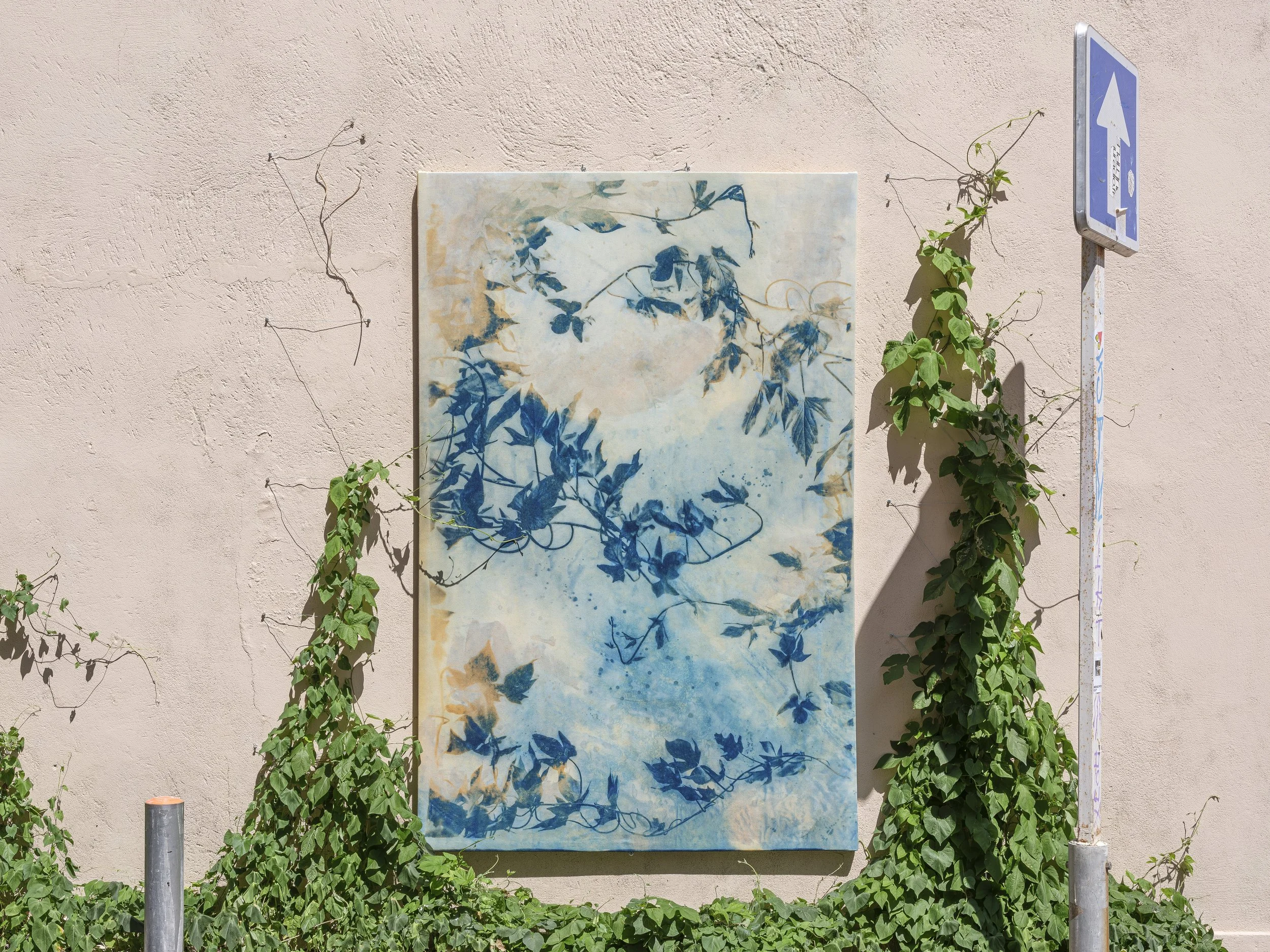
Untitled, Ipomoea Indica, 200 x 130 cm
Wet cyanotype on fabric, plant parts of Ipomoea indica, turmeric and salt
Grief and loss are part of the human condition, evoking conflicting emotions: first pain, then acceptance, and finally rebirth. This wall was once home to Ipomoea indica, a climbing plant native to Mexico known for its short-lived blooms. Its flowers create a cyclical flow of birth and death throughout the day; in botanical symbolism, they represent the fleeting nature of life. Ipomoea indica played a role in healing rituals; the Aztecs historically used its seeds for their psychedelic properties, as they contain LSA.
The ticitl, a figure in ancient Aztec civilization acting as healer, physician, or shaman, used the plant's seeds as an anesthetic to alleviate both physical and mental pain.
The artwork is a cyanotype depicting Ipomoea indica as it reclaims the space on the wall, echoing the color of its flowers through the characteristic Prussian blue. The various colors within the piece come from plant-based elements that are light-sensitive and thus ephemeral, some of which are derived from the plant itself; they will fade and deteriorate over the course of the photograph's display.
These elements represent human emotions, which vary and shift before fading away over time, making room for the rebirth of the morning glory plant, which will grow back in its original space.
Alessandra Gatto is an artist who lives and works in Milan. She holds a bachelor’s degree in Photography from LABA (Libera Accademia di Belle Arti) in Florence, followed by a master’s degree in Photography and Visual Design from NABA in Milan. She subsequently spent a year working as an assistant to the artist Alessandro Sambini, and later earned a master’s degree in Photography from the Brera Academy of Fine Arts.
Her artistic research explores the relationship between humanity and nature, focusing on abstract formalizations that investigate the contemporary human attitude toward the environment.
Alessandra is currently a co-founder of the studio ZIMA Milano—alongside Marco Pelos Spagno—which specializes in the photography of artworks and cultural heritage.
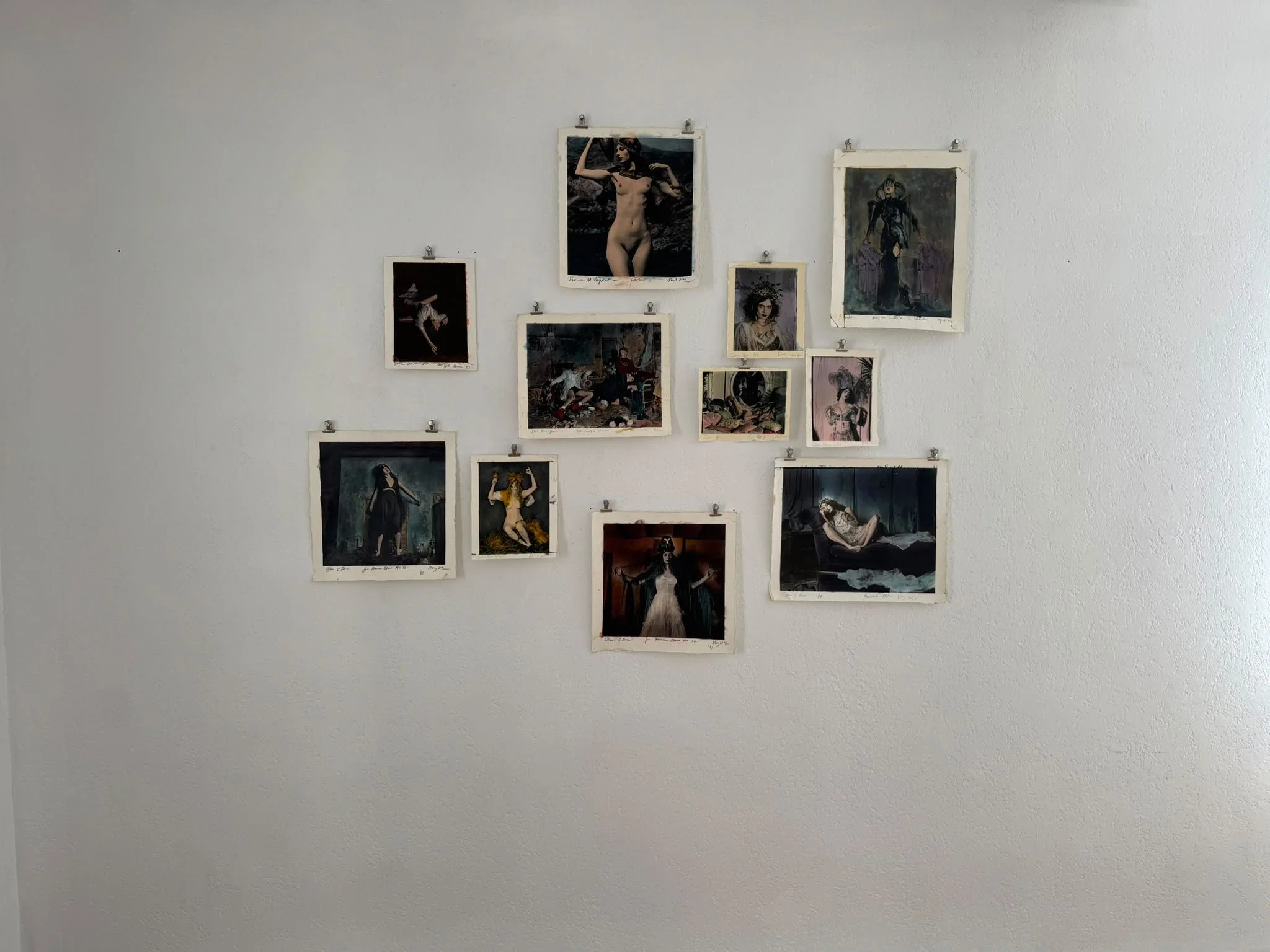
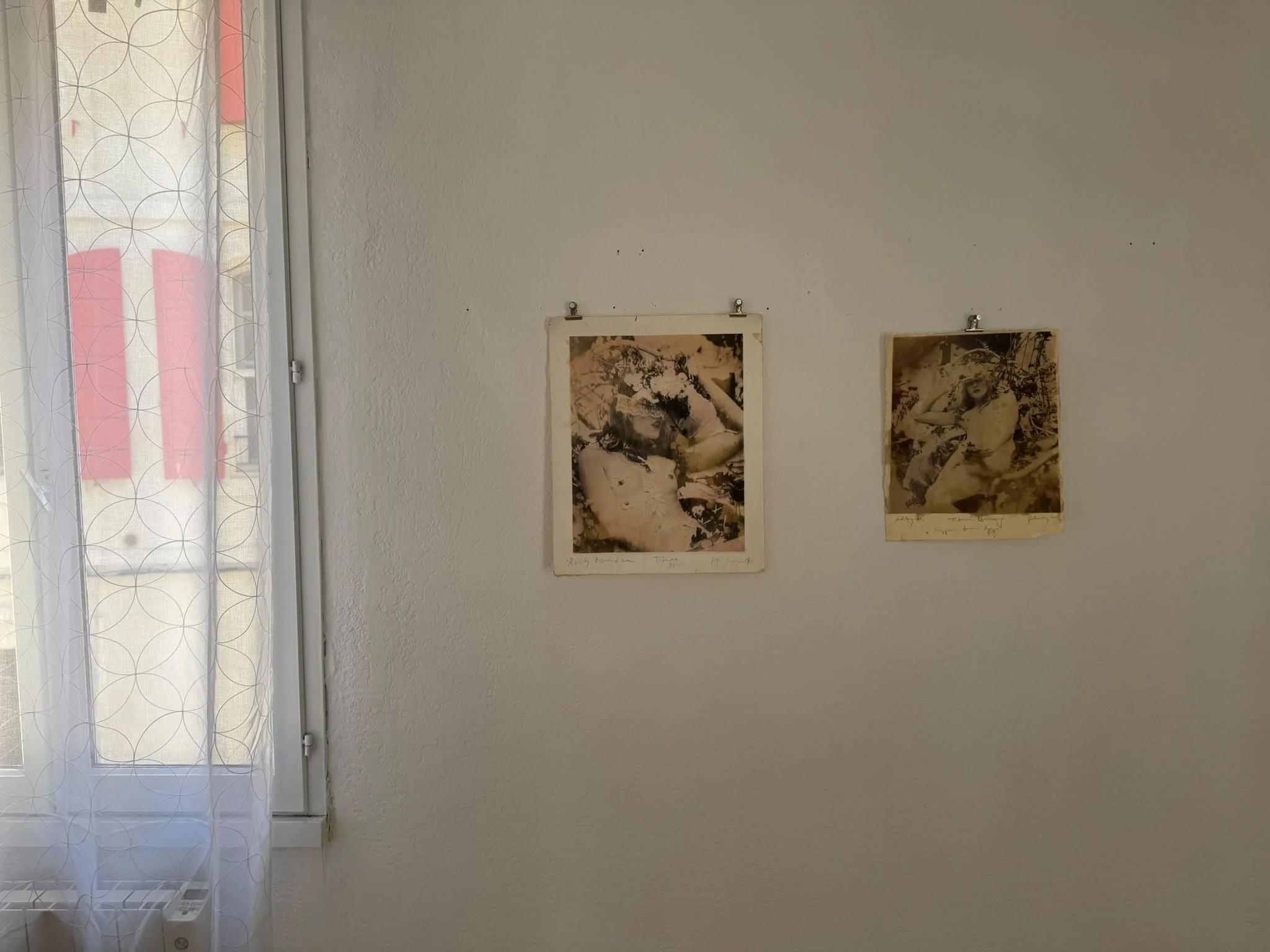
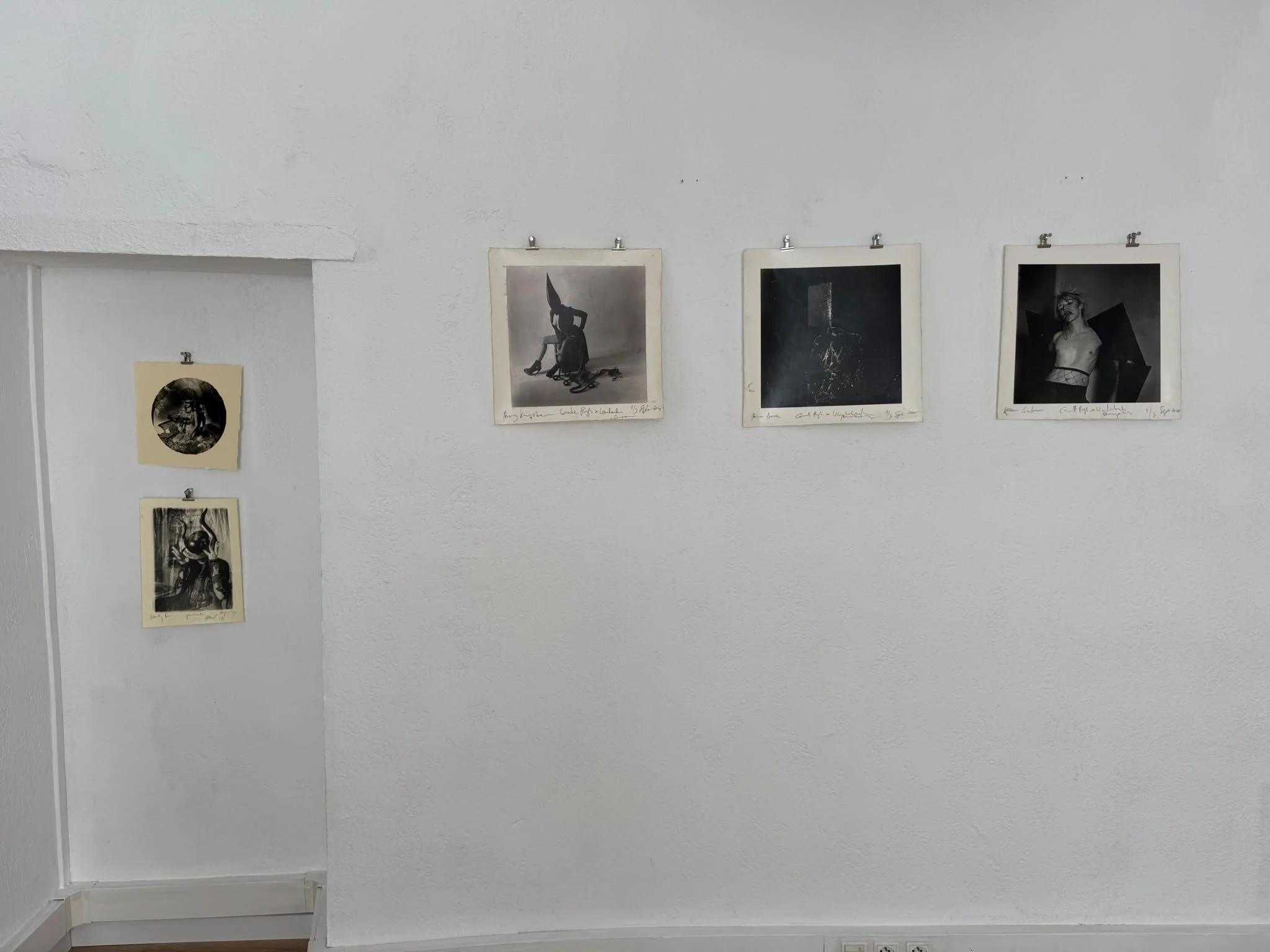
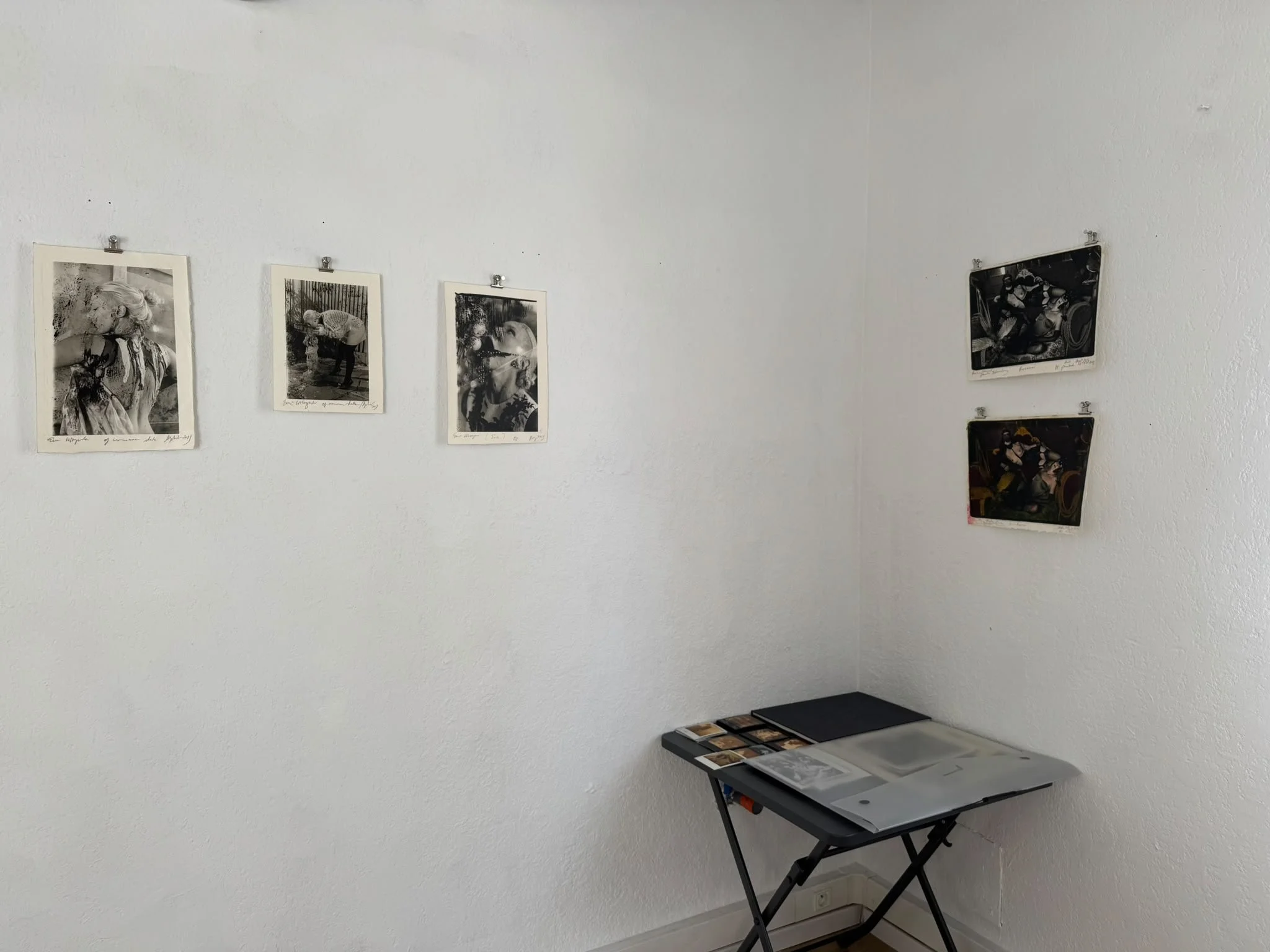
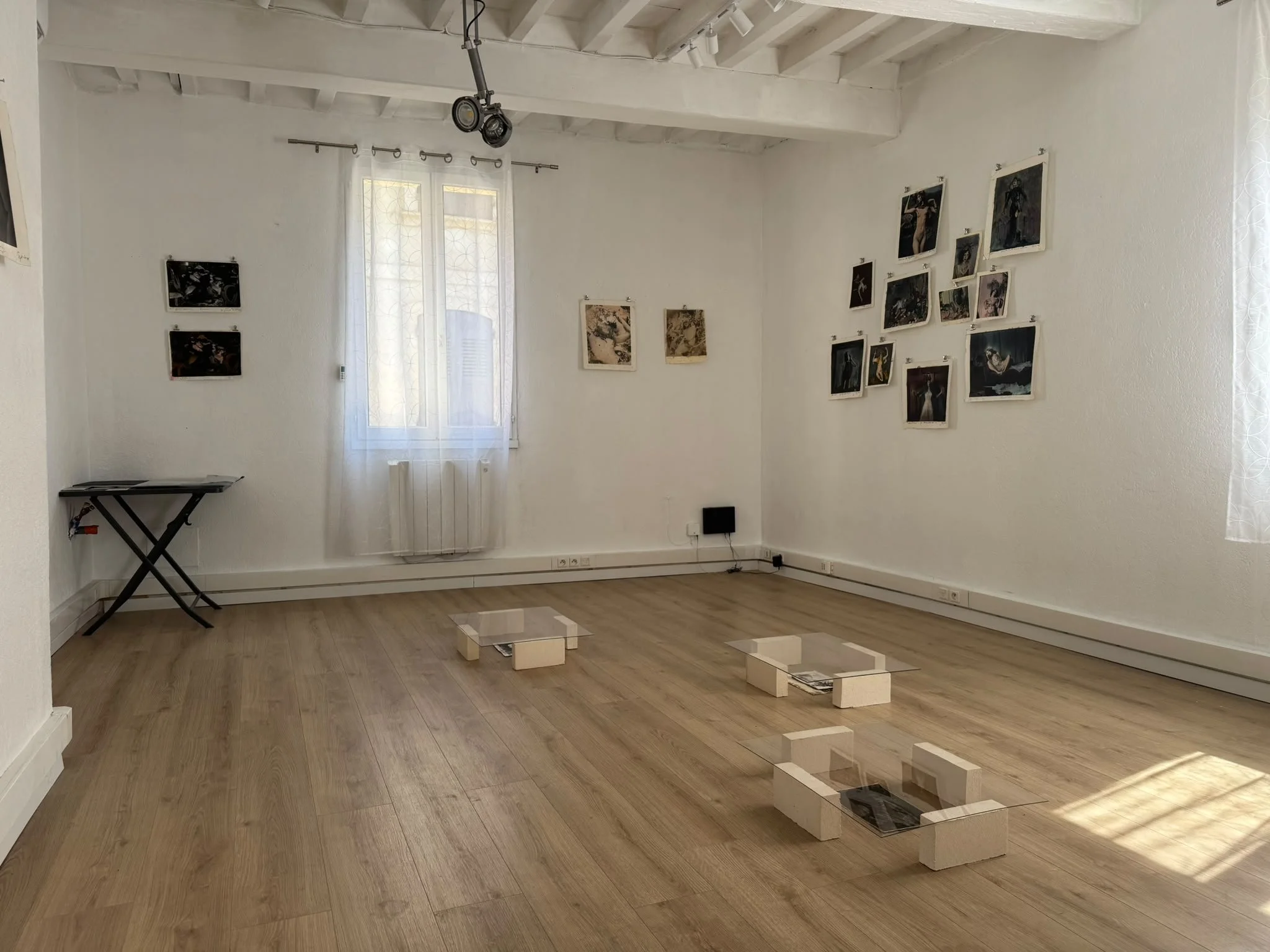
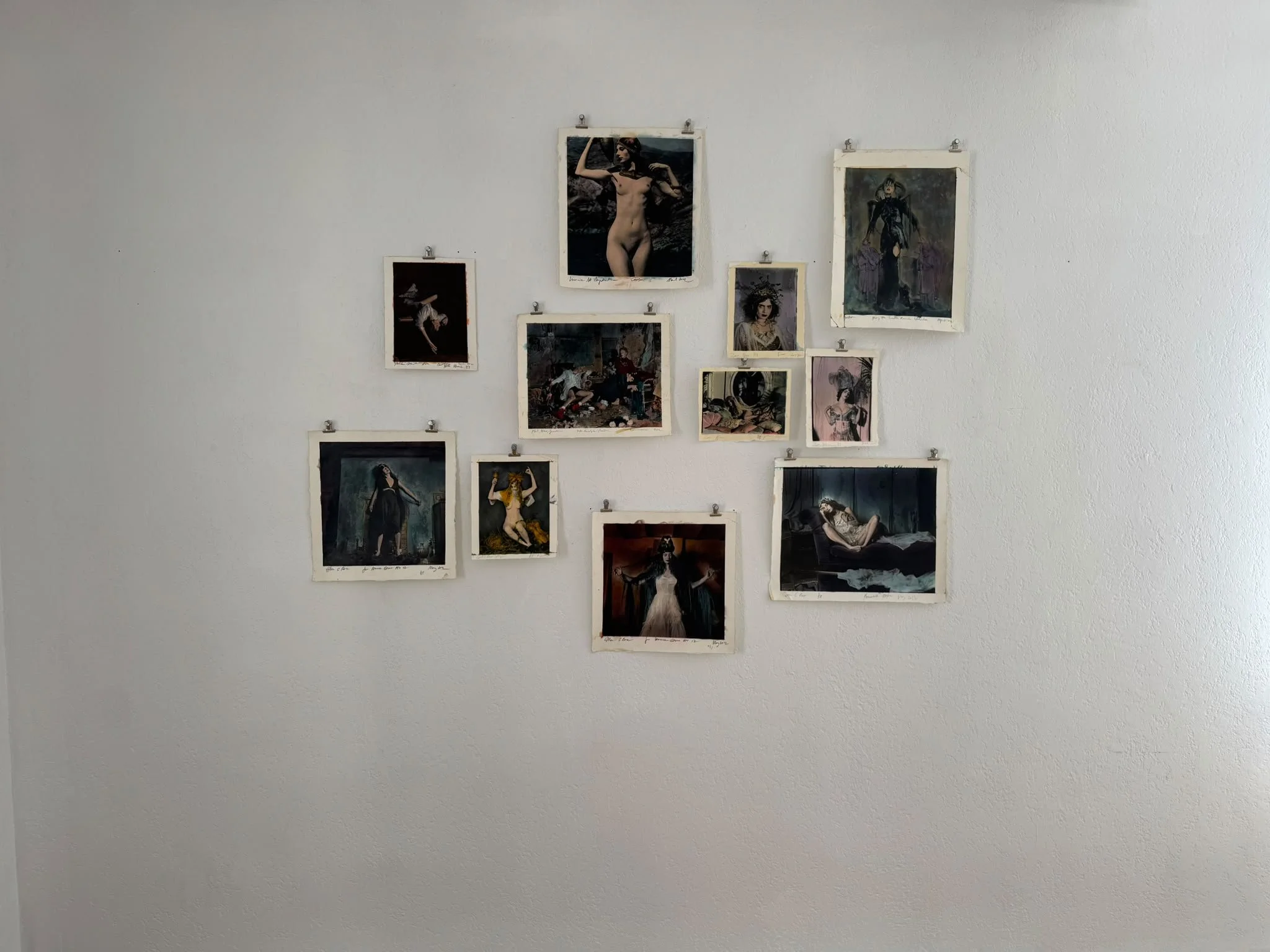
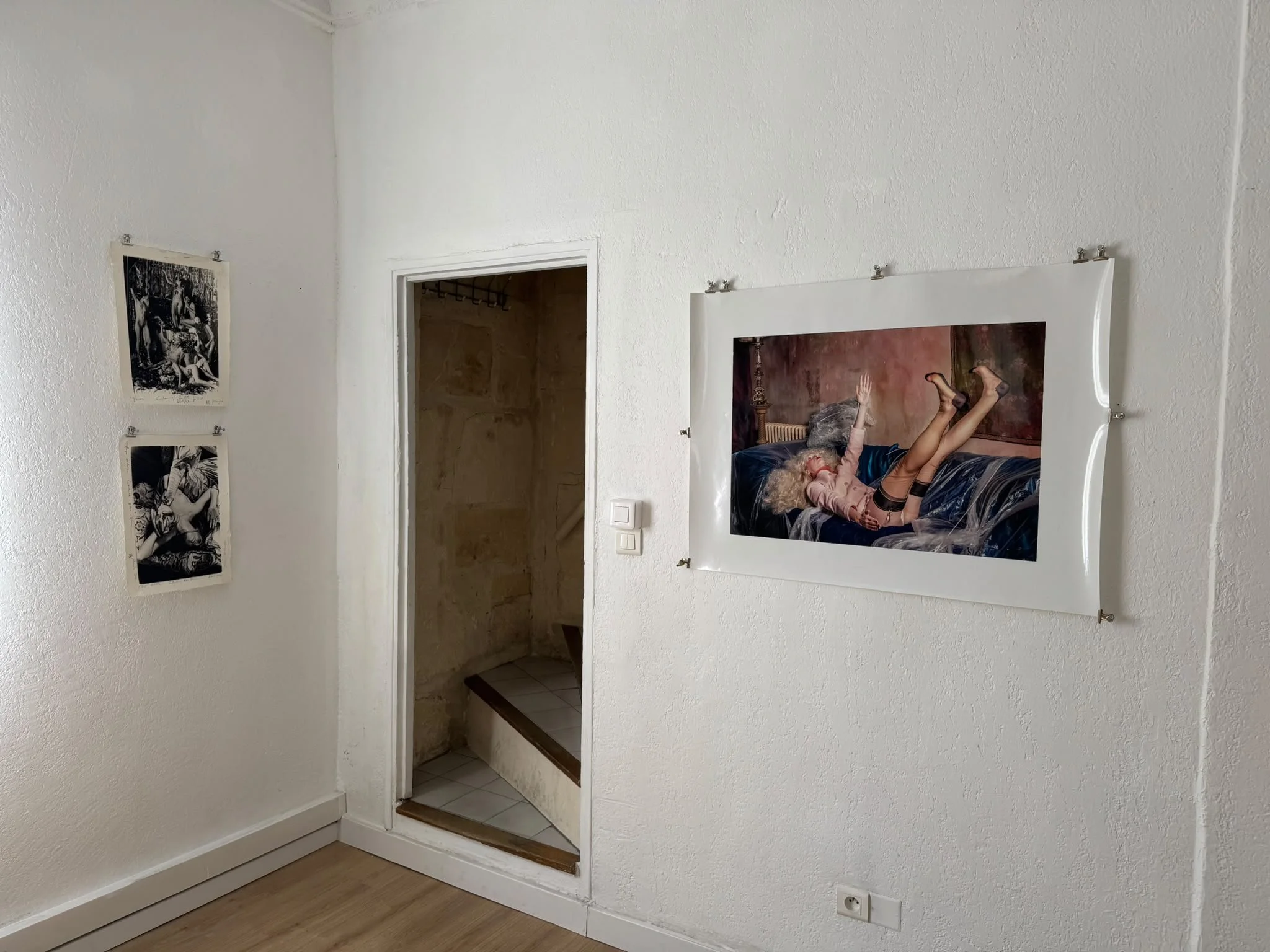
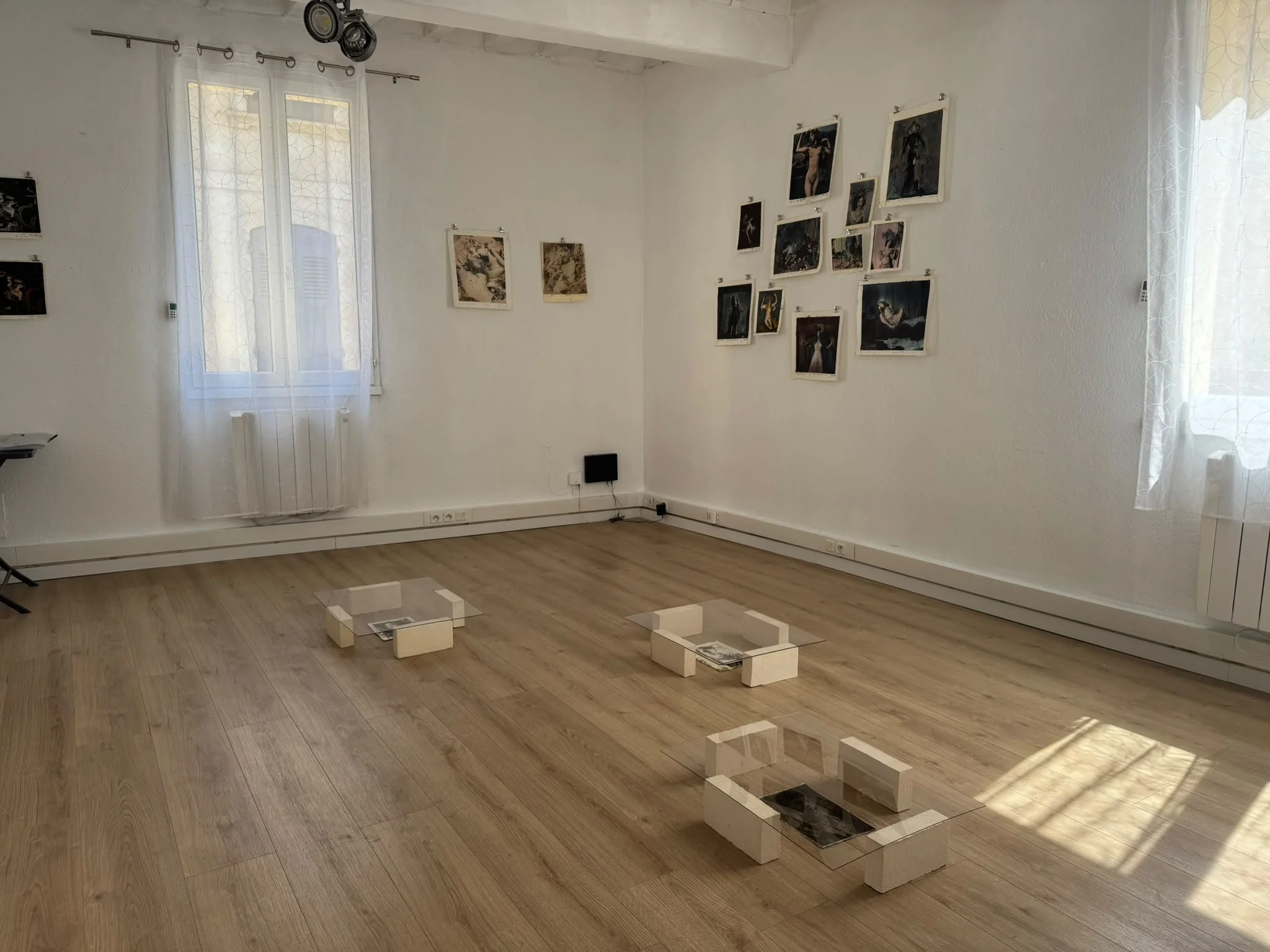
PAULINA OTYLIE SURYS
SOLO EXHIBITION
August 11-21, 2026
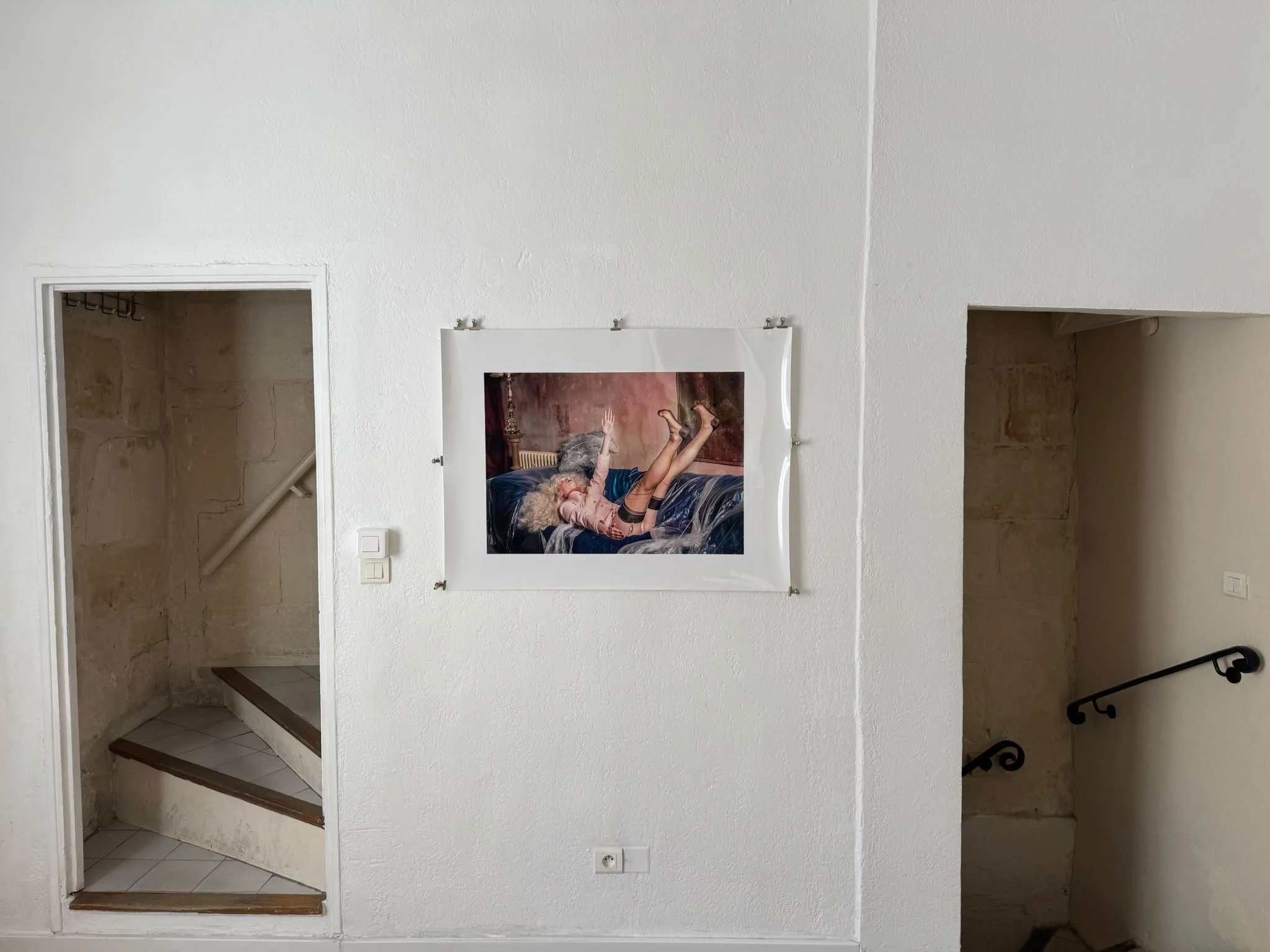
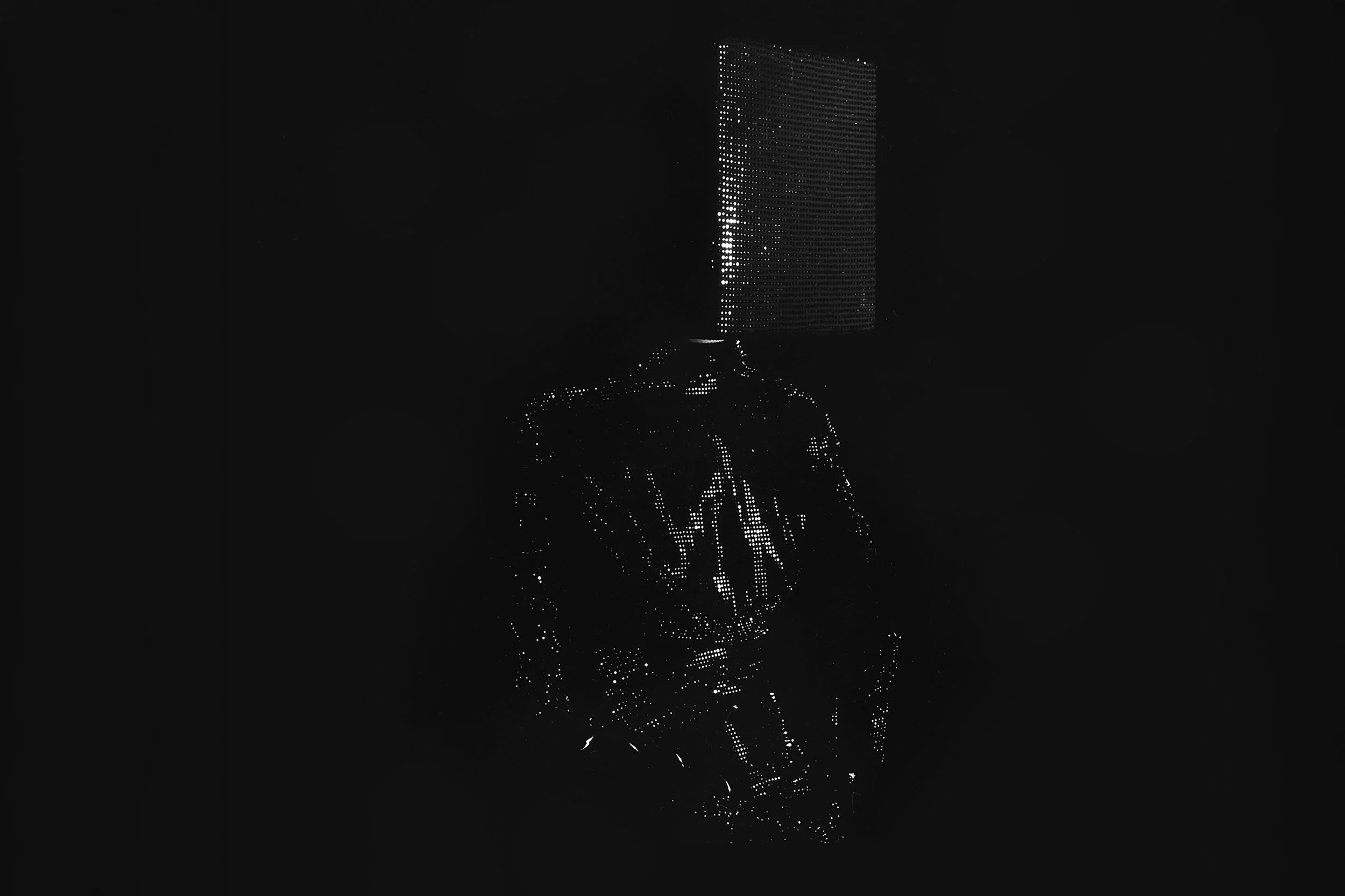
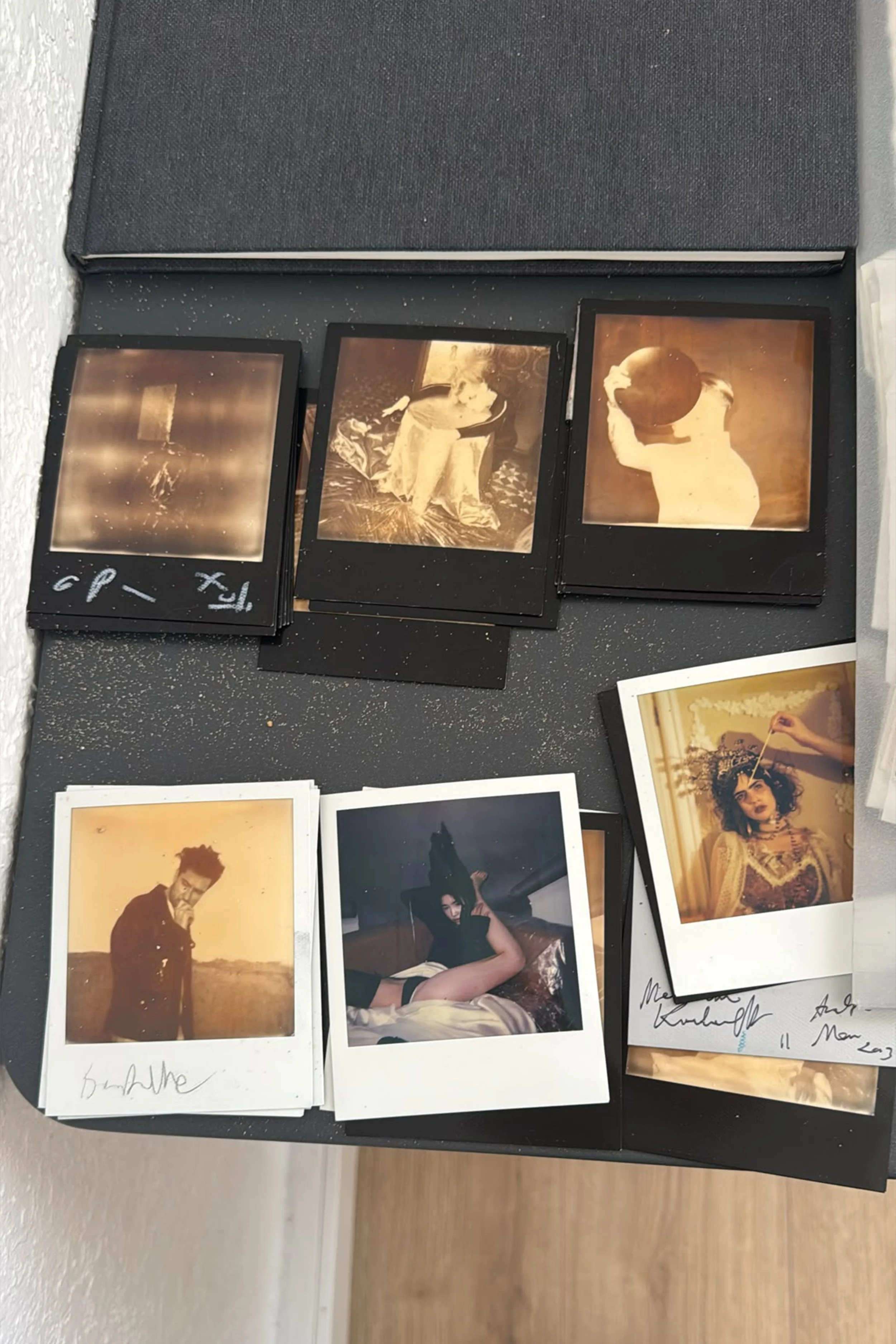
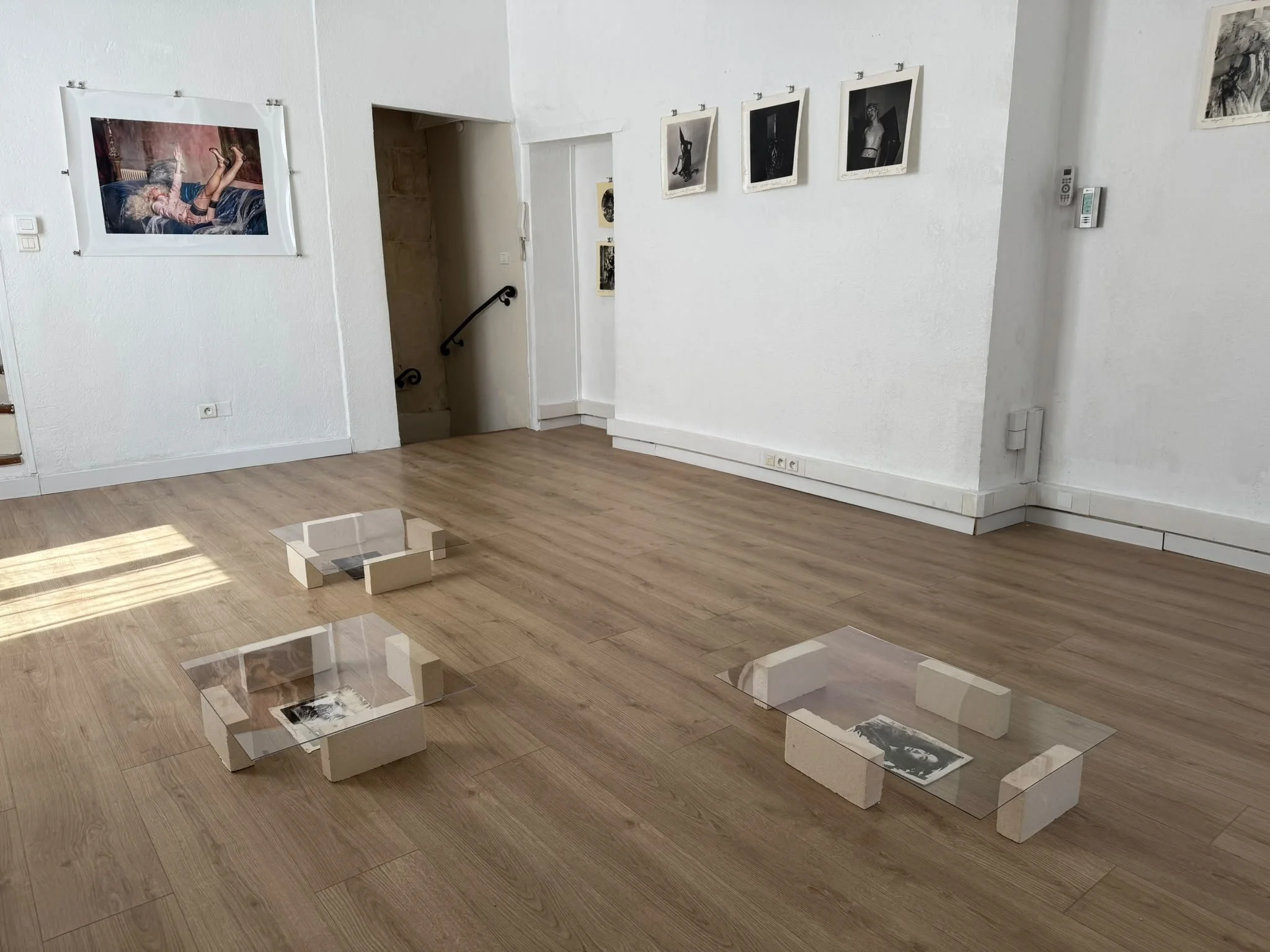
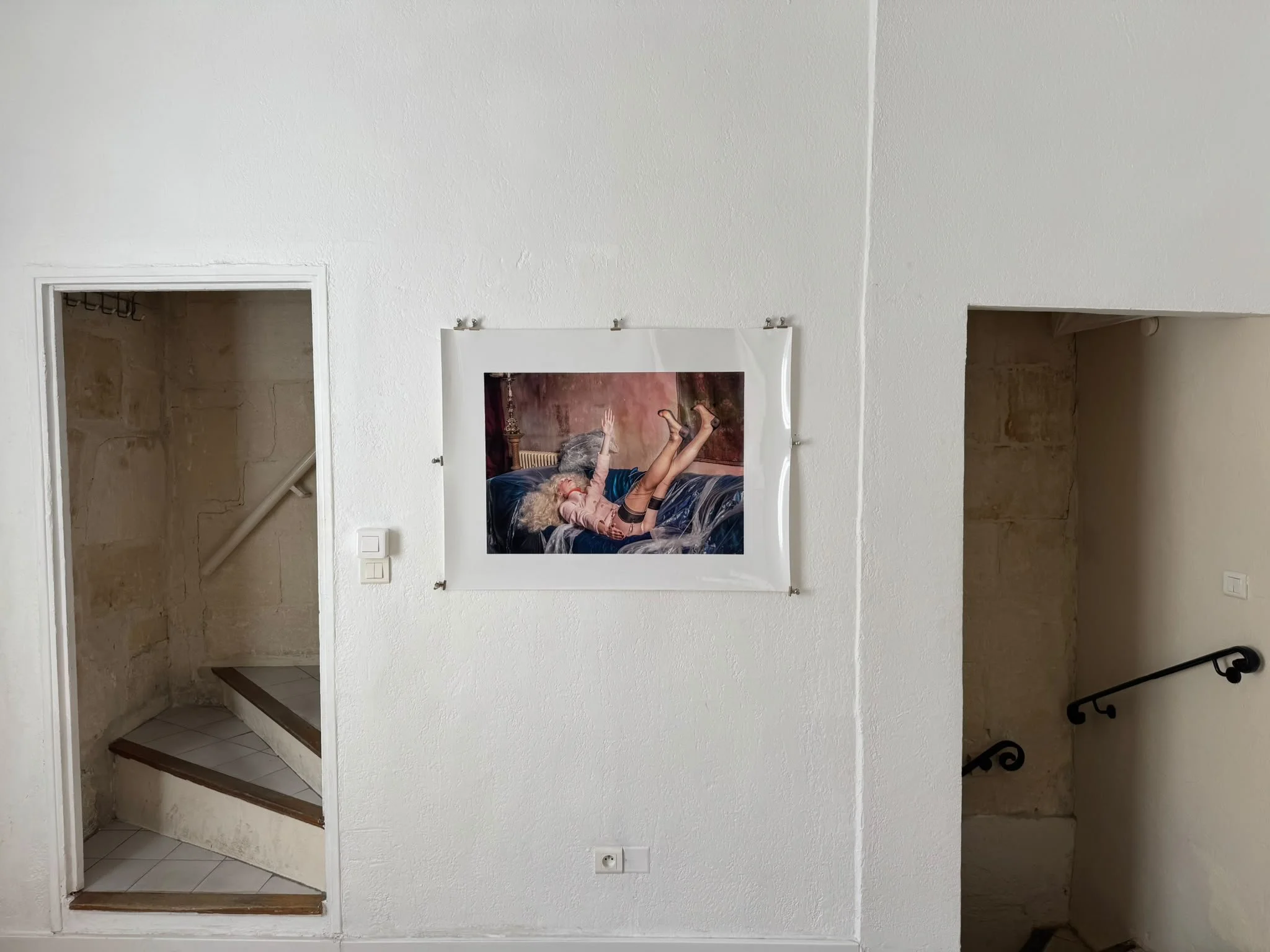
Paulina's interdisciplinary practice is predominantly lens-based and involves the physical manipulation of vernacular images or analogue photographs taken and hand-processed by herself - an approach that combines her formal training as a fine art painter with her photographic practice, sculpture and art installation.
Her projects have an autobiographical background and focus on womanhood, memories, and society.
TAMIR BEN KALIFA
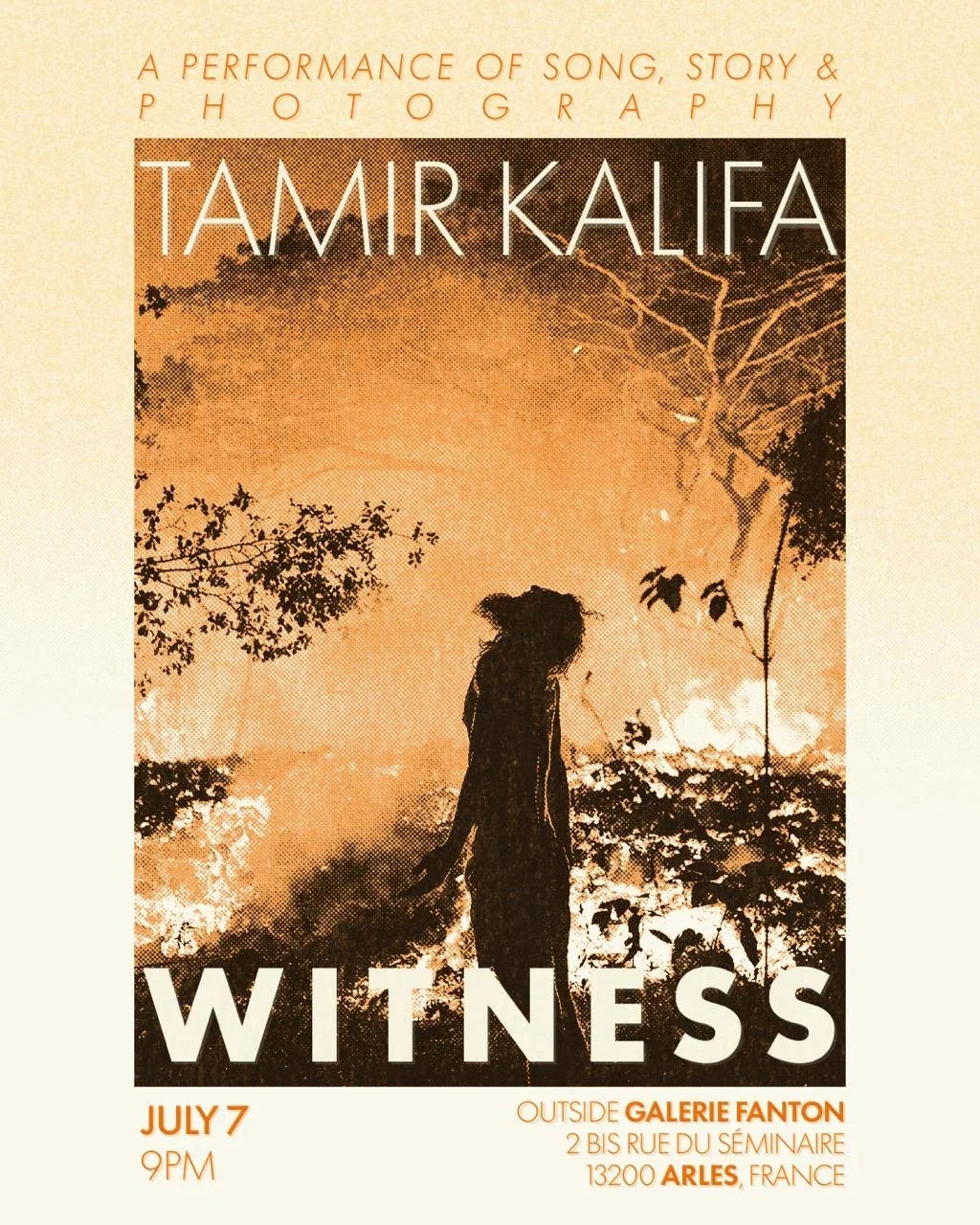
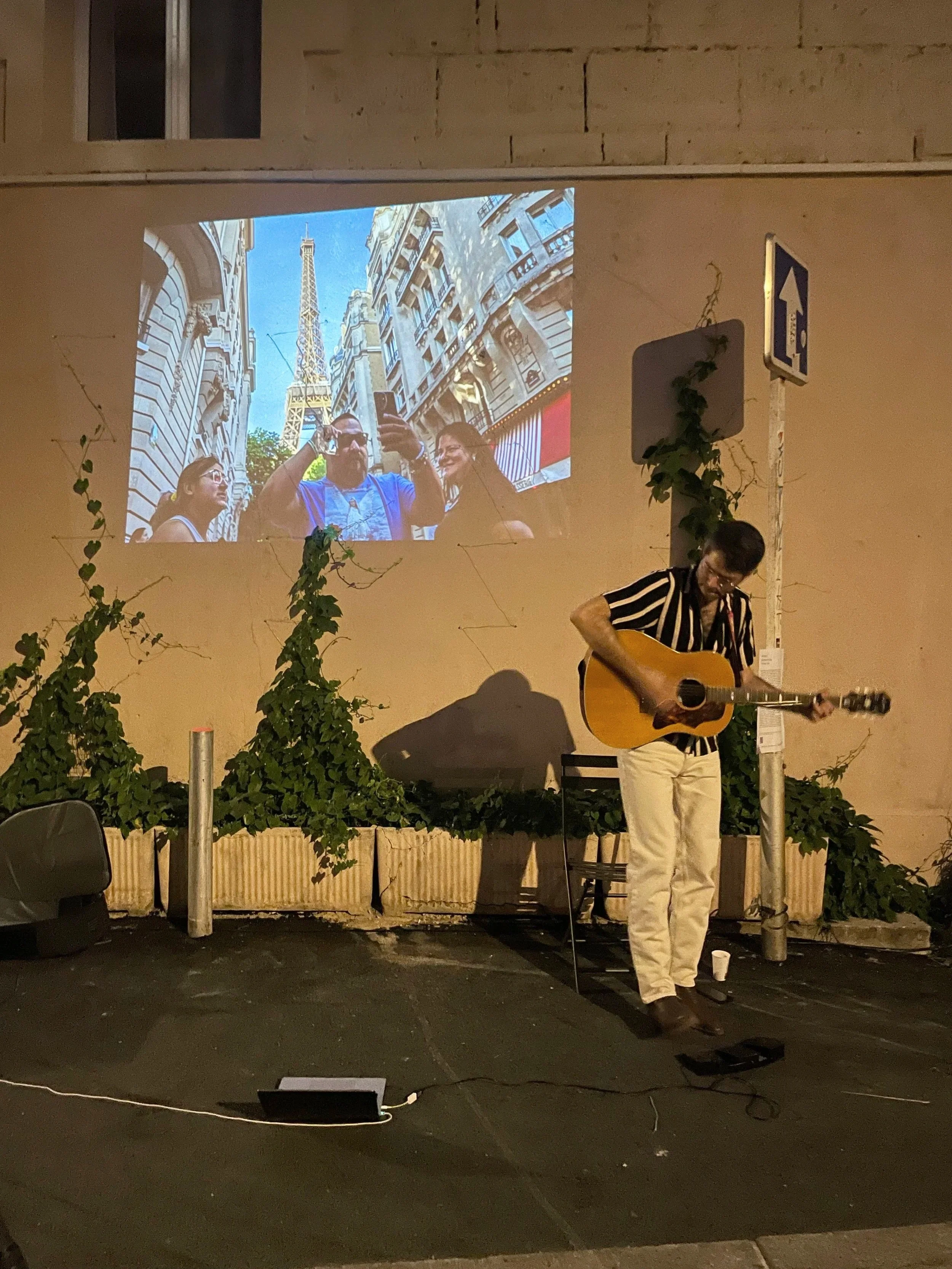
WITNESS: OUTDOOR PROJECTION
July 7, 2026
Tamir Ben Kalifa is a visual journalist, writer and musician with 15 years of experience working globally.
He is committed to work focused on individuals and communities confronting the greatest social, political and environmental issues of our time. He believes compassionate visual storytelling can raise questions that lead to a better understanding of ourselves and one another.
Throughout his career, Tamir has documented the long aftermath of gun violence, the Israeli-Palestinian conflict, historic natural disasters, flash points at the U.S.-Mexico border, presidential campaigns and more – all while meeting strict deadlines and respecting the dignity of those he meets. Tamir exercises a caring and trauma-informed approach to sensitive stories and has developed strong enterprising skills for open-ended assignments. In addition to still photography, he also has significant experience in both video and audio production.
Tamir is fluent in English and Hebrew, speaks basic Spanish, and has produced multiple stories in Israel, the West Bank and on both sides of the U.S.-Mexico border. Kalifa is a winner of the American Mosaic Journalism Prize, the Chris Hondros Fund/Getty Images Award and is a frequent contributor to The New York Times, The Washington Post, Texas Monthly, NPR and others.
Tamir also wrote, recorded and performed original music as a member of Mother Falcon, an Austin-based orchestral indie-rock ensemble founded in 2009. Together they produced four original albums, supported by numerous tours across the U.S. and Canada, and ran a summer camp for young musicians from 2010 to 2019. Tamir will soon release Witness, a multimedia project inspired by his journalism that weaves together his musical and visual storytelling into an immersive concert experience.
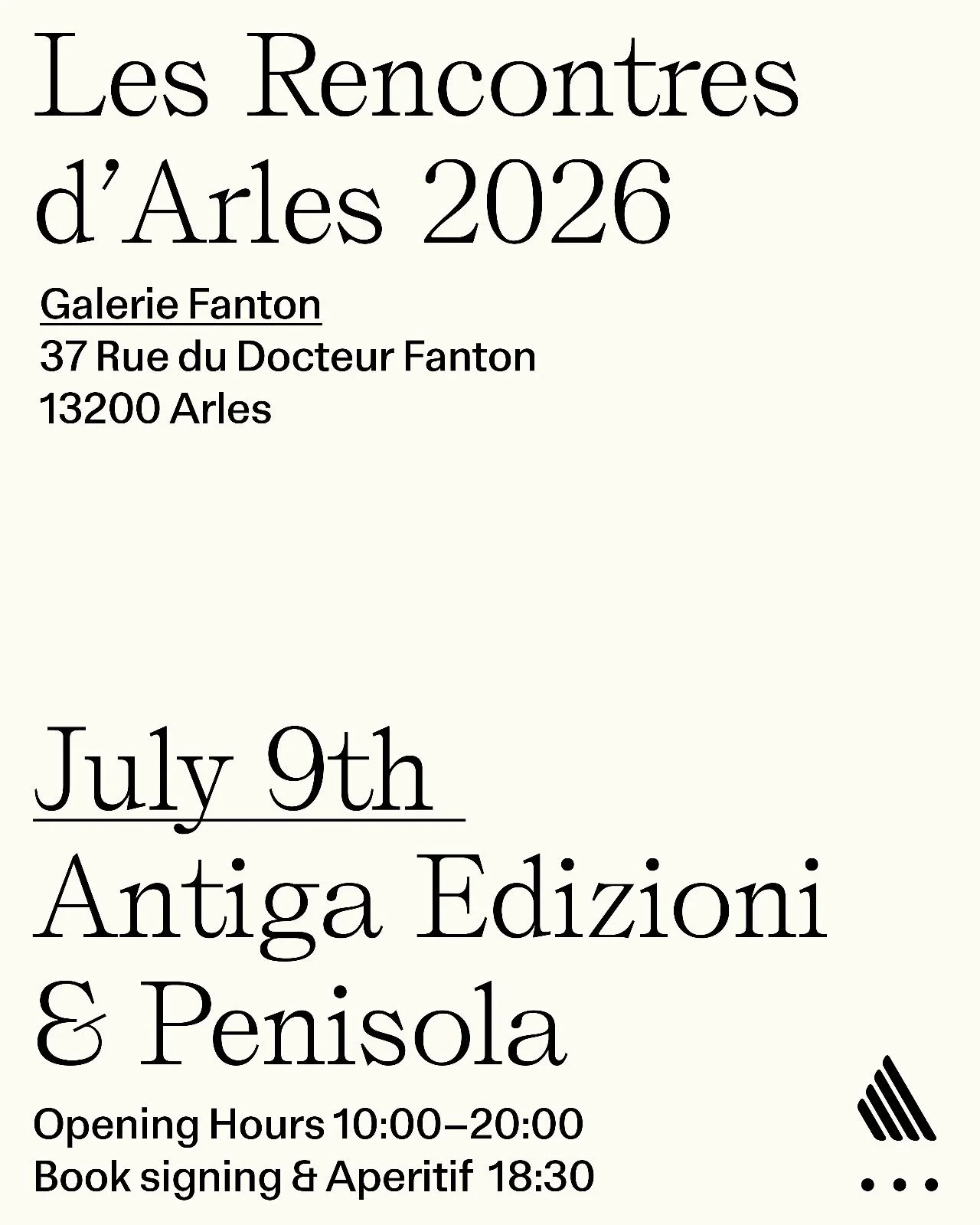
ANTIGA EDIZIONI & PENISOLA
BOOK SIGNING
July 9, 2026
LORI HAWKINS
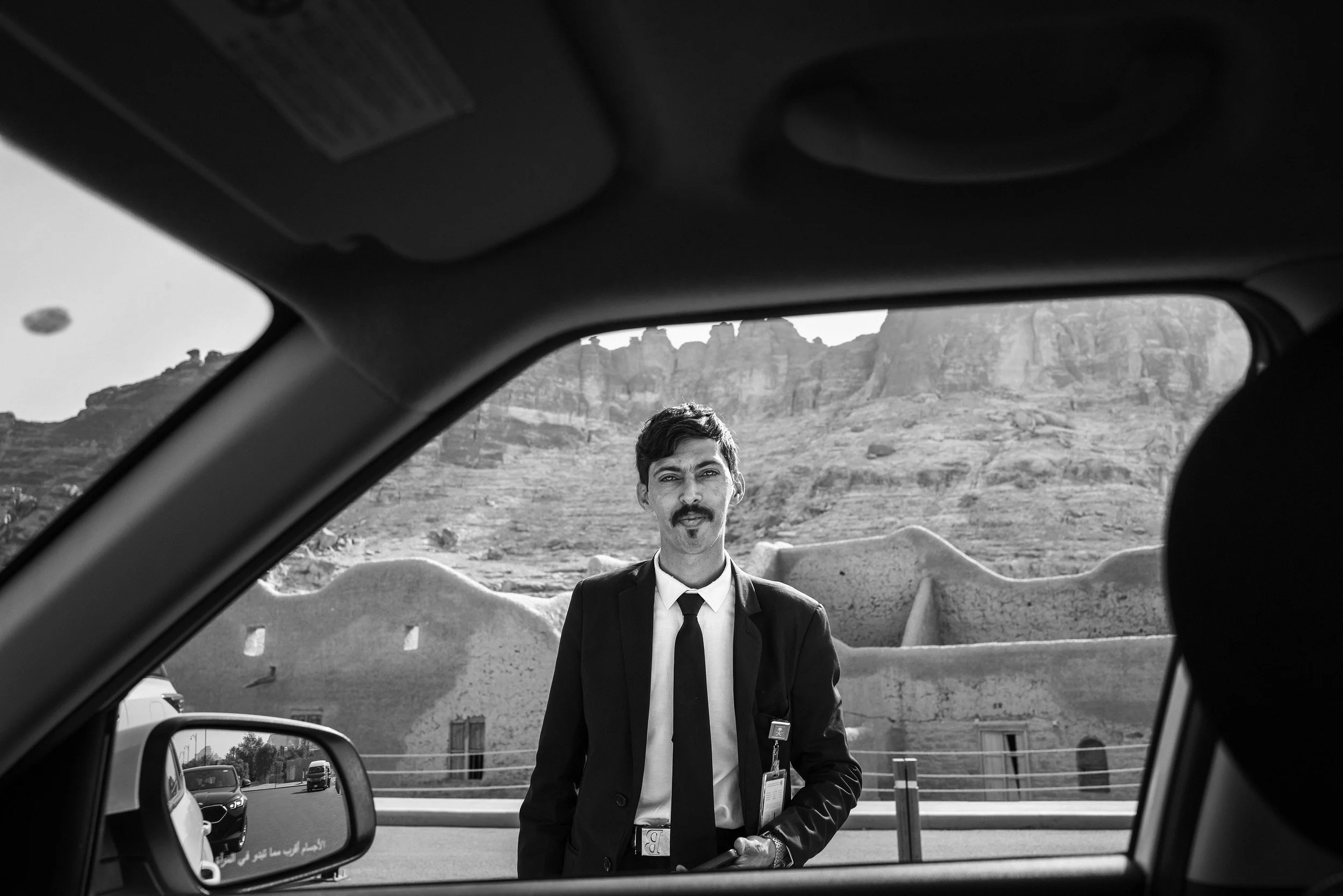
I AM I: SAUDI ARABIA
July 7-14, 2025
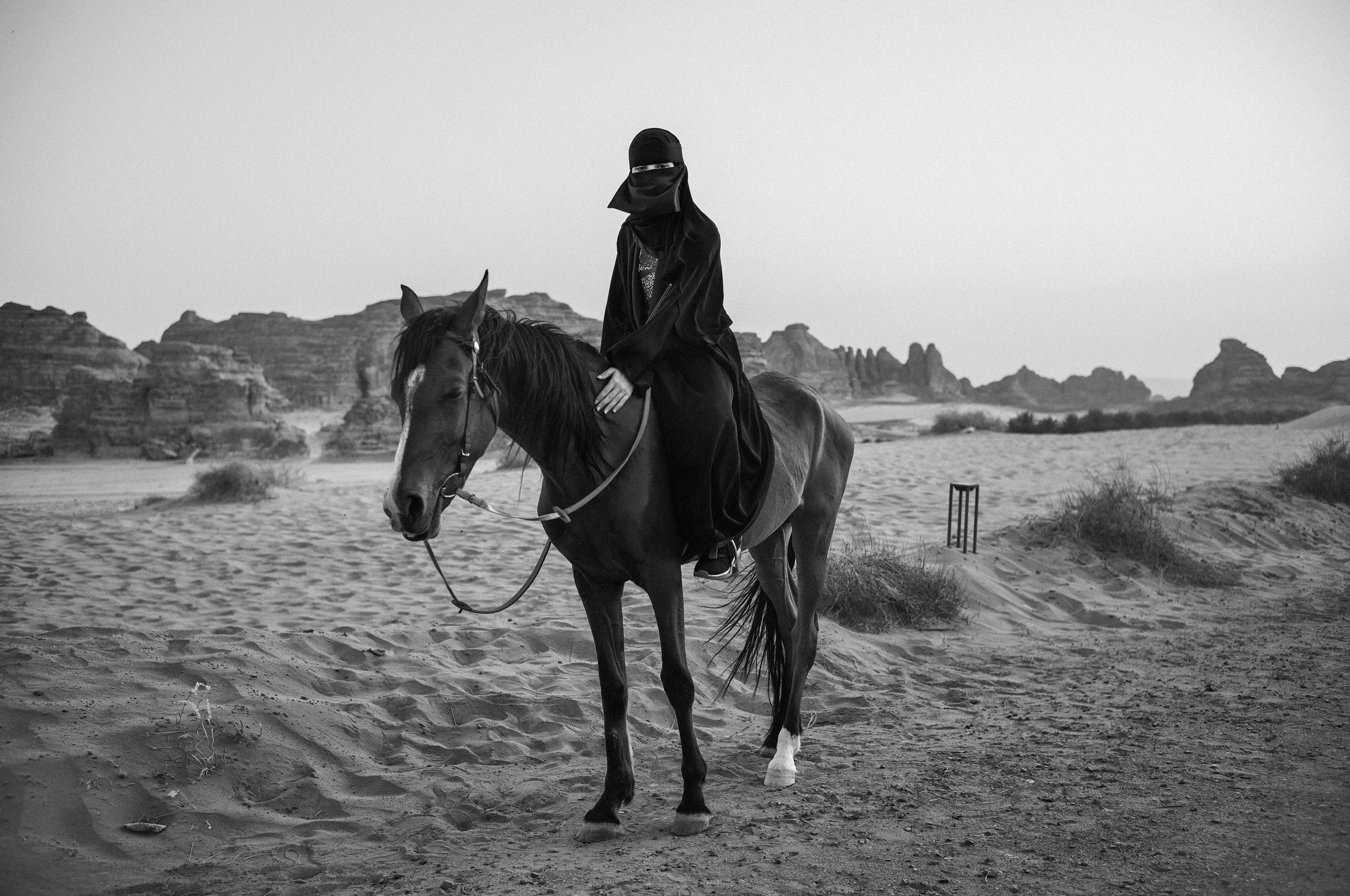
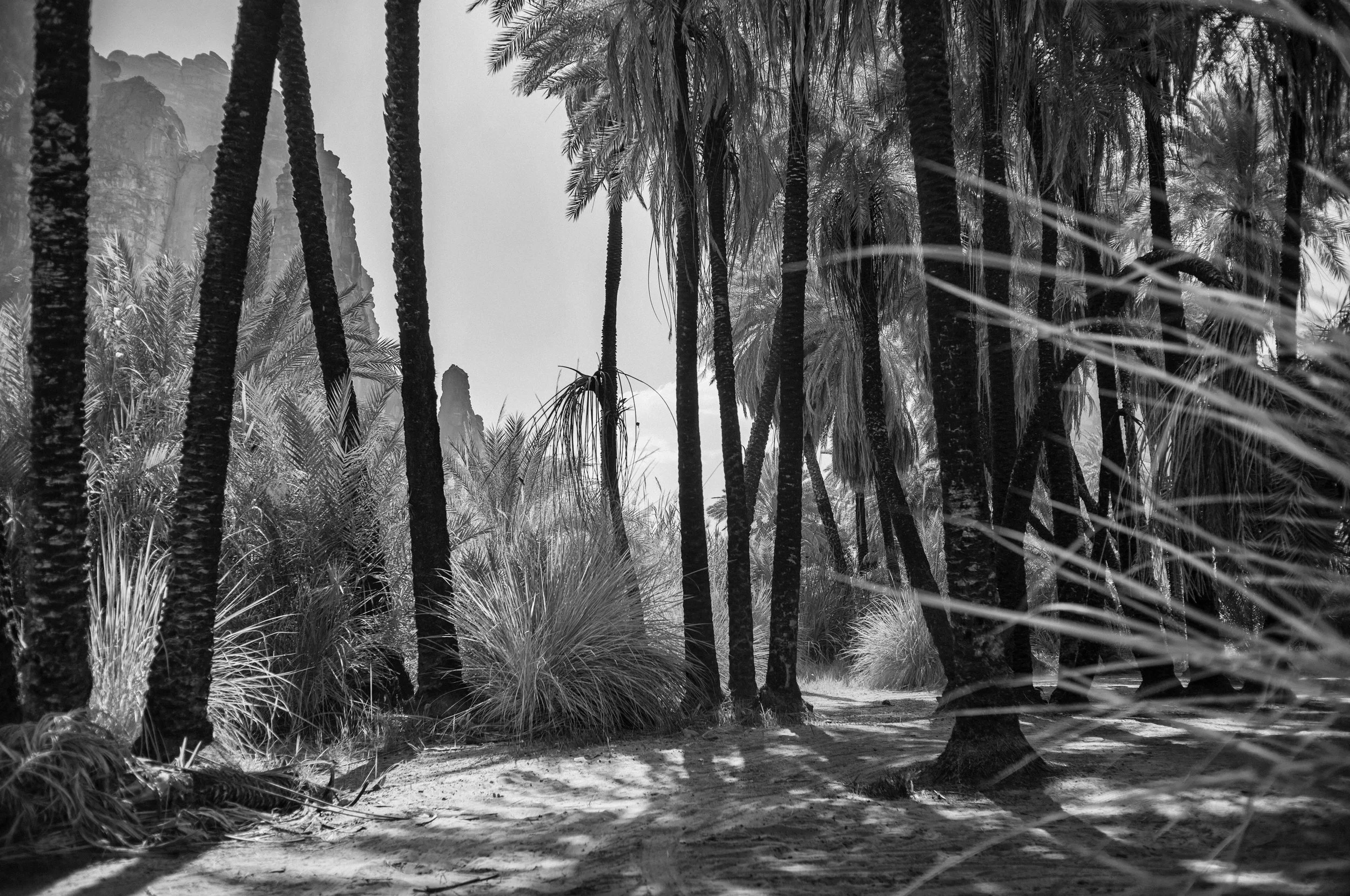
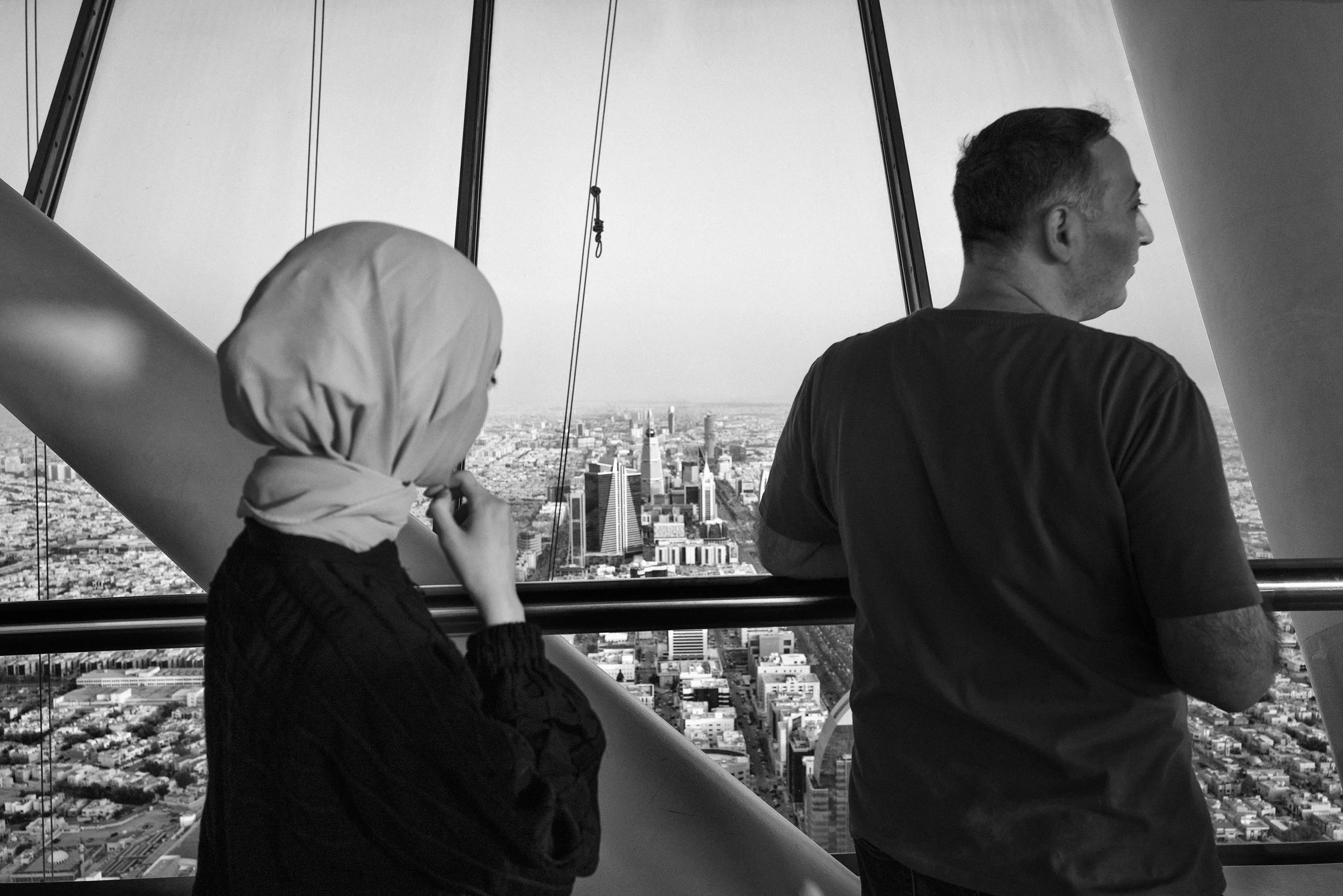
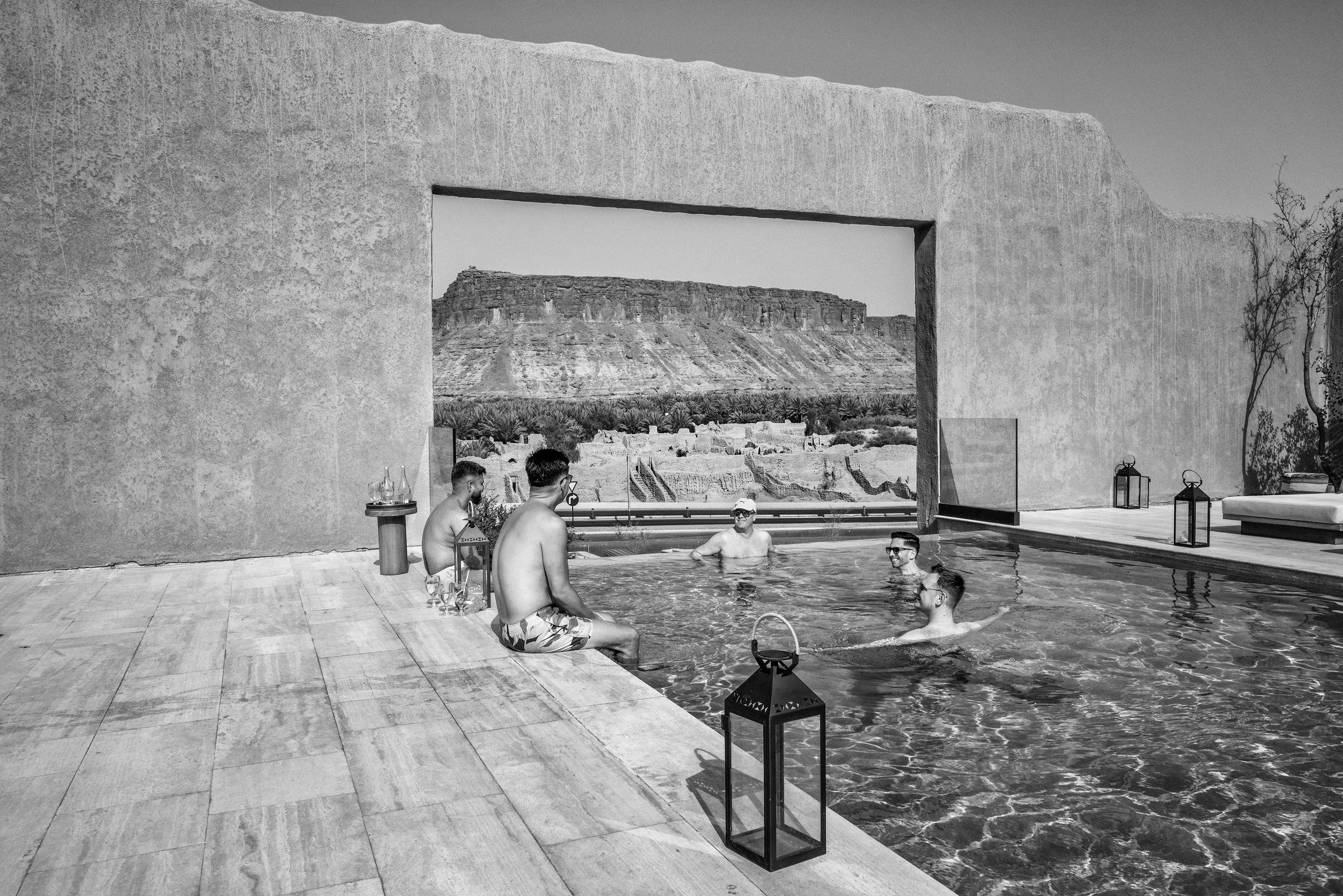
"I AM I" is a statement of self-definition. In a country where change is rapid and narratives are often imposed from the outside, these photographs invite viewers to look more closely—to consider the daily life, the contradictions, the negotiation between tradition and individuality. Shot across cities, deserts, and the in-between, this work does not attempt to define Saudi Arabia. Instead, it looks for what is often unseen: the ordinary, the unguarded, the human.
BIO
Lori Hawkins is a documentary photographer and the founder of Fonds Fanton. Since 2001, her work has focused on human rights, post-conflict recovery and the lives of women in marginalized communities, from Liberia’s transition to democracy after civil war and Ebola to doctors fighting maternal mortality in rural Kenya. She works in the space between news and documentary, aiming to inform viewers and move them to act. Her first photobook, Blessings in the Mane, self-published in 2025 and printed in Italy by Grafiche Antiga, is a portrait of people living in Israel and the West Bank. Her photographs have been exhibited in Arles, New York City, and on Long Island, where she divides her time.